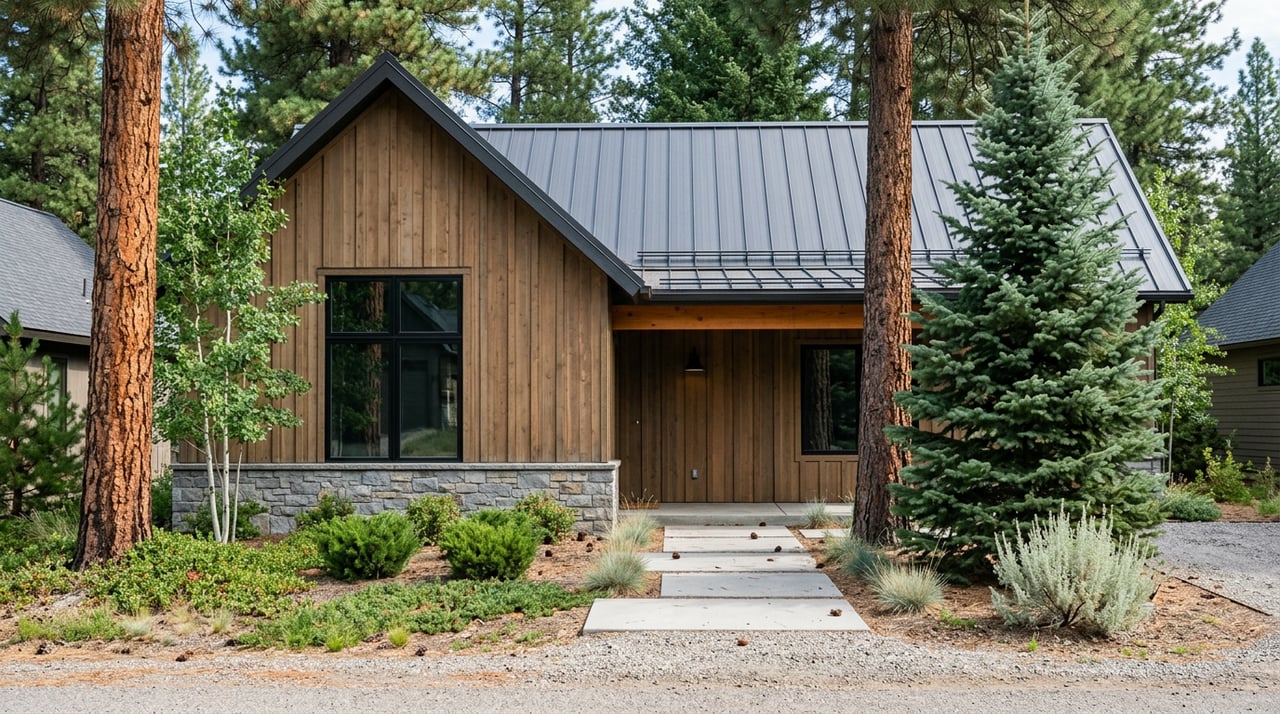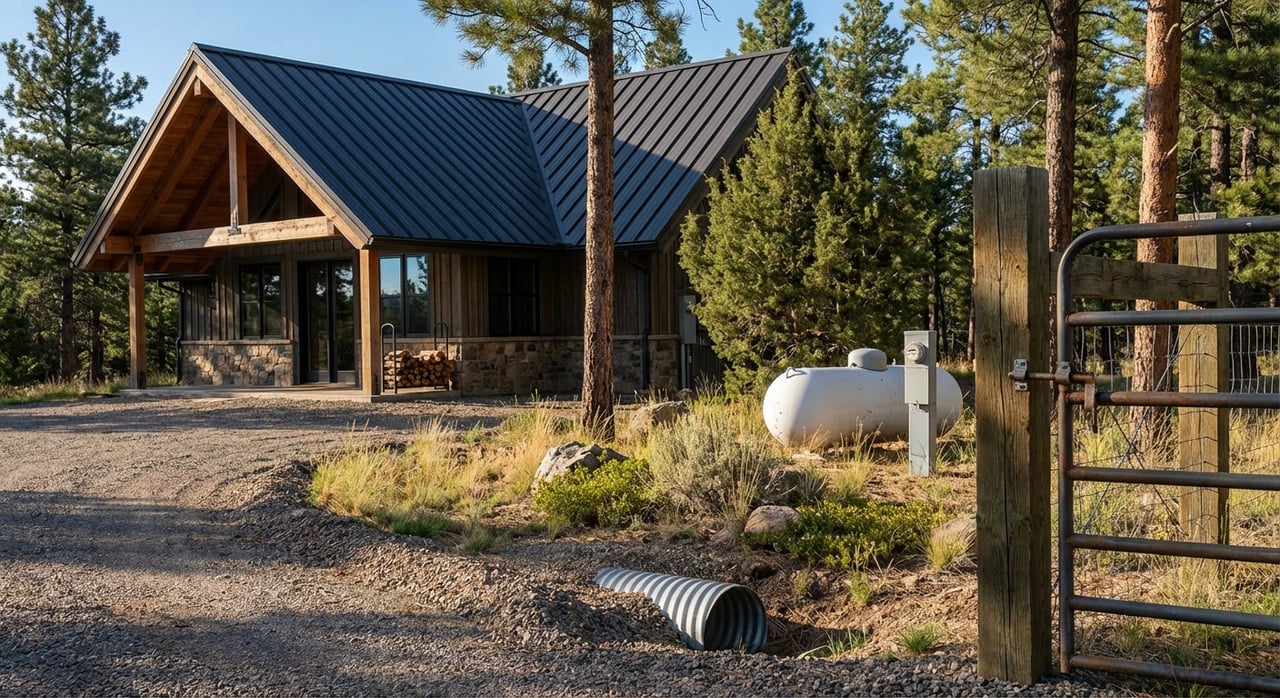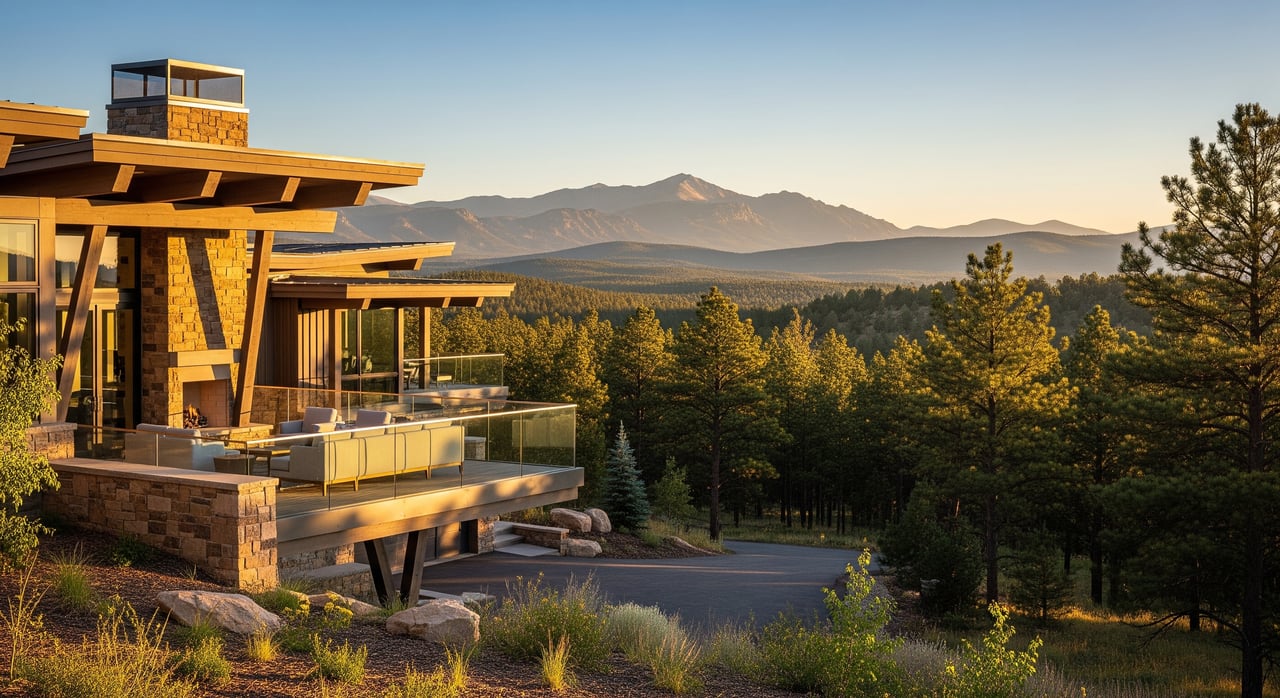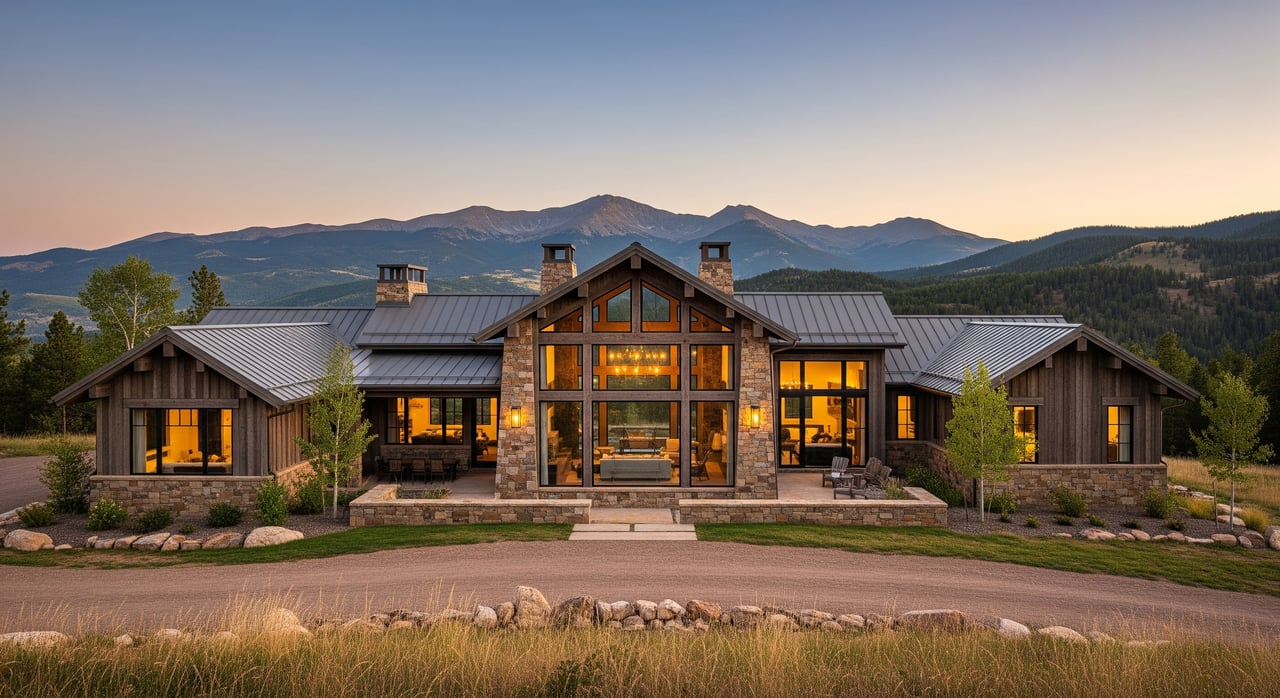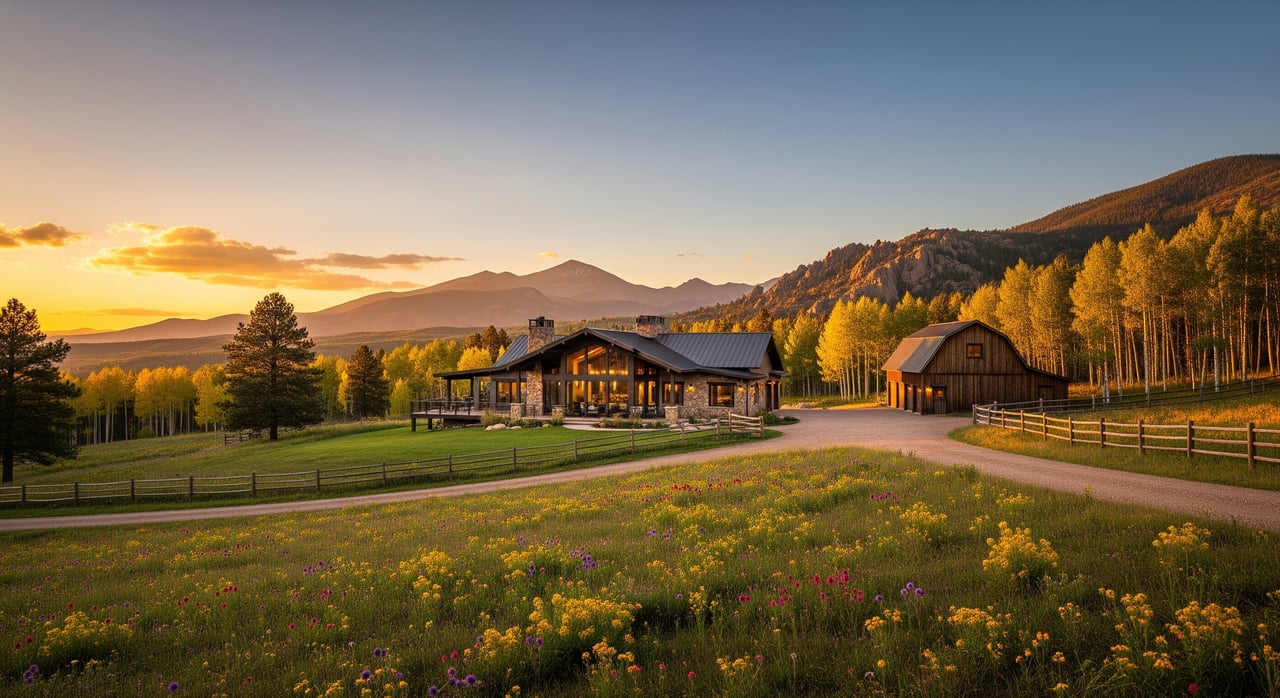
Dreaming of more elbow room in the mountains, space for a shop or barn, or a quiet setting under the pines? If Florissant is on your list, you have options that range from platted larger-lot neighborhoods to truly rural tracts tucked off US‑24 and County Road 1. The key is knowing where acreage tends to cluster, what trade-offs come with each area, and how to vet a parcel before you buy. This guide walks you through the main zones, the must-do due diligence, and a simple plan to shortlist the right properties. Let’s dive in.
Florissant at a glance
Florissant sits on a high plateau in Teller County with a mix of forest, meadows, and historic ranch parcels. You’ll see everything from small townsite lots to sizable wooded tracts that back to public lands. The area is shaped by US‑24 for regional access, with county roads and private drives serving most acreage. Expect a mix of paved highway, graded county roads, and some private or seasonal routes.
Public lands play a big role here. The Florissant Fossil Beds National Monument and nearby National Forest create large undeveloped buffers, trail access, and scenic views. They also add considerations like wildfire exposure, wildlife movement, and limited new access routes.
Where acreage clusters
Rural unplatted parcels near US‑24 and County Road 1
These parcels sit along or not far from the main corridors. Many were created from older ranch holdings or historic splits, so lot shapes and sizes vary.
- Typical lot traits: larger, irregular shapes with mixed conifer and meadow; terrain can be level or sloping. Driveways are often long and may cross private easements.
- Access and utilities: surfacing ranges from paved near US‑24 to gravel or dirt farther out. Electric and phone may be nearby, but some sites need off-grid solutions like propane, generators, or satellite internet. Most rely on a well and septic.
- Buyer appeal: strong privacy and room to spread out. It is often easier to find 5-plus acres and areas that accommodate horses, a shop, or a larger home footprint.
Platted subdivisions and larger-lot neighborhoods
Closer to town or on gentler terrain, you’ll find platted developments with clearer lot lines and recorded covenants or easements.
- Typical lot traits: lots range from under an acre to several acres, depending on the plat. Setbacks and buildable areas are usually defined.
- Access and utilities: roads are more often maintained. Electric is common, and some plats have natural gas nearby or propane use. Water and wastewater are typically well and septic. HOAs or road agreements are more likely.
- Buyer appeal: clearer permitting, cleaner titles, and fewer access disputes. You trade a bit of privacy for simpler logistics and closer services.
Parcels bordering or near public lands
At the forest interface or beside monument and national forest boundaries, you’ll find properties with permanent open neighbors and trail access.
- Typical lot traits: wooded settings, view corridors, and a quiet buffer. Access points can be limited due to protected boundaries.
- Access and utilities: similar to rural parcels, but with more emphasis on vegetation management and driveway design.
- Buyer appeal: premium privacy and recreation at your doorstep. You need to plan for defensible space and insurance that fits a higher wildfire exposure.
Key due diligence in Florissant
Buying acreage here is rewarding, but it comes with extra homework. Build these checks into your timeline:
- Zoning and uses: confirm Teller County zoning and permitted uses for the parcel. Ask about accessory buildings, livestock allowances, and any short-term rental rules.
- Access and road care: verify if roads are county maintained, privately maintained, or under a road association or HOA. Confirm legal, recorded access and who plows in winter.
- Water supply and rights: most rural parcels use wells. Review well logs and yield where available. If surface water or historic rights are involved, consult state resources or a water attorney.
- Septic and wastewater: Teller County Public Health oversees on-site systems. Soil, slope, and setbacks drive cost and feasibility. Ask for past permits or a perc-equivalent.
- Utilities and connectivity: confirm electric provider and line-extension costs, plus phone and internet options. Propane is common when natural gas is unavailable.
- Mineral rights: in parts of Colorado, mineral rights may be separate from the surface. Verify what conveys and any recorded reservations.
- Easements and covenants: review plats and covenants for setbacks, building envelopes, shared driveways, and utility or access easements.
- Topography and soils: rock outcrops, steep slopes, or wetlands affect driveway cost, home placement, and septic feasibility. Ask for a topo map and consult a builder or site evaluator.
- Wildfire risk: properties near wildlands carry higher wildfire exposure. Plan for defensible space and confirm insurance availability and costs.
- Environmental and historical: proximity to sensitive areas, including the Florissant Fossil Beds, may require extra coordination with county or federal agencies.
- Taxes and assessments: check property tax rates and any special districts for water, fire, sanitation, or improvements.
How to shortlist parcels
Step 1: Define your needs
Set non-negotiables: minimum acreage, home and outbuilding footprints, livestock plans, privacy level, desired road type, and budget for site work.
Step 2: Map and screen
Use county parcel tools and MLS filters for acreage, then study satellite views for slope, vegetation, and proximity to US‑24 and county roads. Flag long or unclear driveway routes for title review.
Step 3: Ask targeted questions
Request written answers and documentation for:
- Who maintains the road and handles winter plowing
- Utility status and distance to connection points
- Well logs, septic permits, or soils tests on file
- Recorded easements, including shared access
- Covenants or HOA and road association rules and fees
- Recent survey, monuments, or any boundary disputes
Step 4: Do county and technical checks
Before a serious offer, contact the Teller County planning and building departments about zoning and permits. Coordinate with Public Health on septic and well guidance. Review the assessor and recorder for easements, covenants, and mineral reservations. Confirm utility providers, and review flood and wildfire risk maps.
Step 5: Visit in different seasons
Drive the route in winter if possible. Observe drainage, solar exposure, wind patterns, and practical access for deliveries and emergency services.
Quick buyer checklist
- Decide on acreage, access type, and utility needs.
- Use parcel maps and MLS acreage filters to flag candidates.
- Confirm road maintenance and winter plowing.
- Ask for well logs and any septic permits or soils reports.
- Review zoning, covenants, easements, and mineral reservations.
- Verify electric provider and internet options.
- Check wildfire exposure and insurance availability.
- Walk sites in at least two seasons.
Final thoughts
Florissant offers a wide spectrum of acreage, from platted larger-lot neighborhoods to secluded tracts near county roads and forest-edge properties beside public lands. Your best match comes down to trade-offs: convenience and maintained roads versus maximum privacy, or clearer covenants versus wide-open flexibility. A thoughtful due diligence plan will keep your options open and surprises low.
If you want a local, concierge-style partner who understands Teller County land, reach out to The Case Advantage. We will help you identify the right zones, line up the technical checks, and move forward with confidence.
FAQs
How big are acreage parcels in Florissant?
- Lot sizes range widely. Platted lots can be under an acre to a few acres, while rural unplatted parcels often span several acres to many tens of acres.
Are Florissant roads plowed year-round for acreage areas?
- Major county roads are plowed, but private or subdivision roads depend on an HOA, a road association, or owner responsibility. Always confirm before you buy.
Will rural acreage have utilities and internet?
- Electric is common, but natural gas and sewer are less certain. Most parcels use well and septic. Internet can be fixed wireless or satellite in some areas.
Is wildfire a significant risk near public lands?
- Yes. Forest-edge properties carry higher wildfire exposure. Plan for defensible space and confirm insurance options early.
Should I worry about mineral rights on acreage in Teller County?
- Mineral rights can be severed from the surface. Review title for mineral reservations and recorded claims, and seek professional guidance if needed.