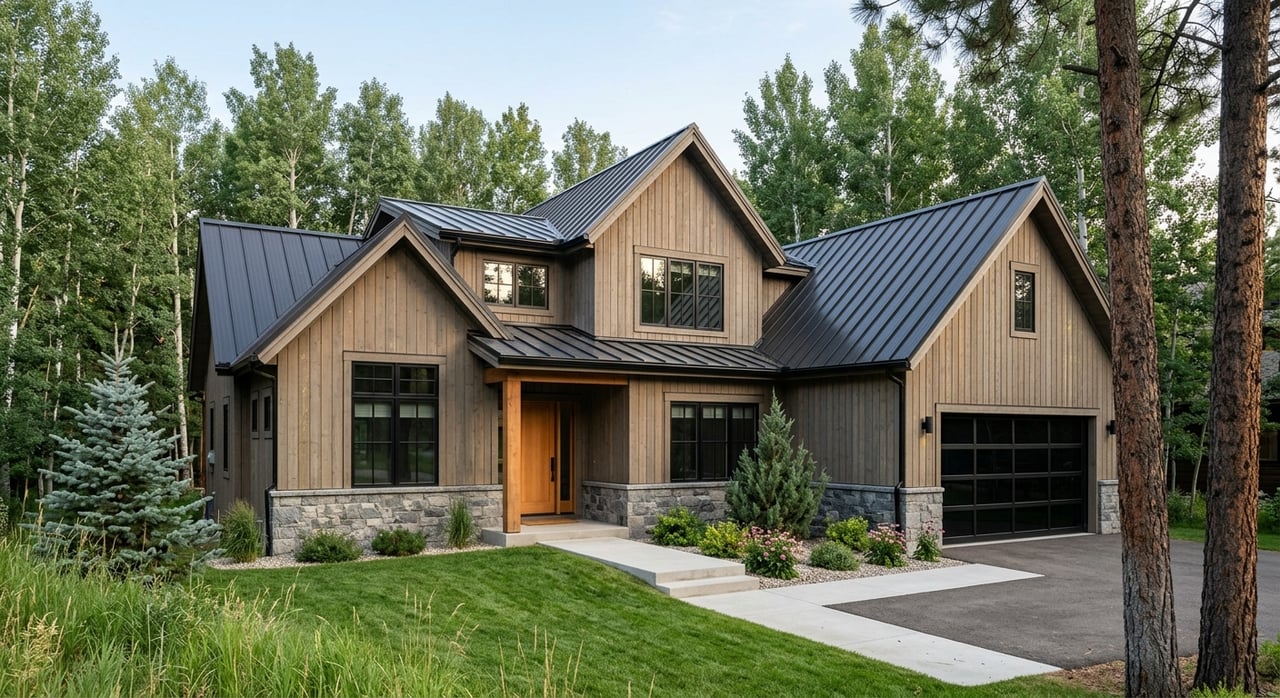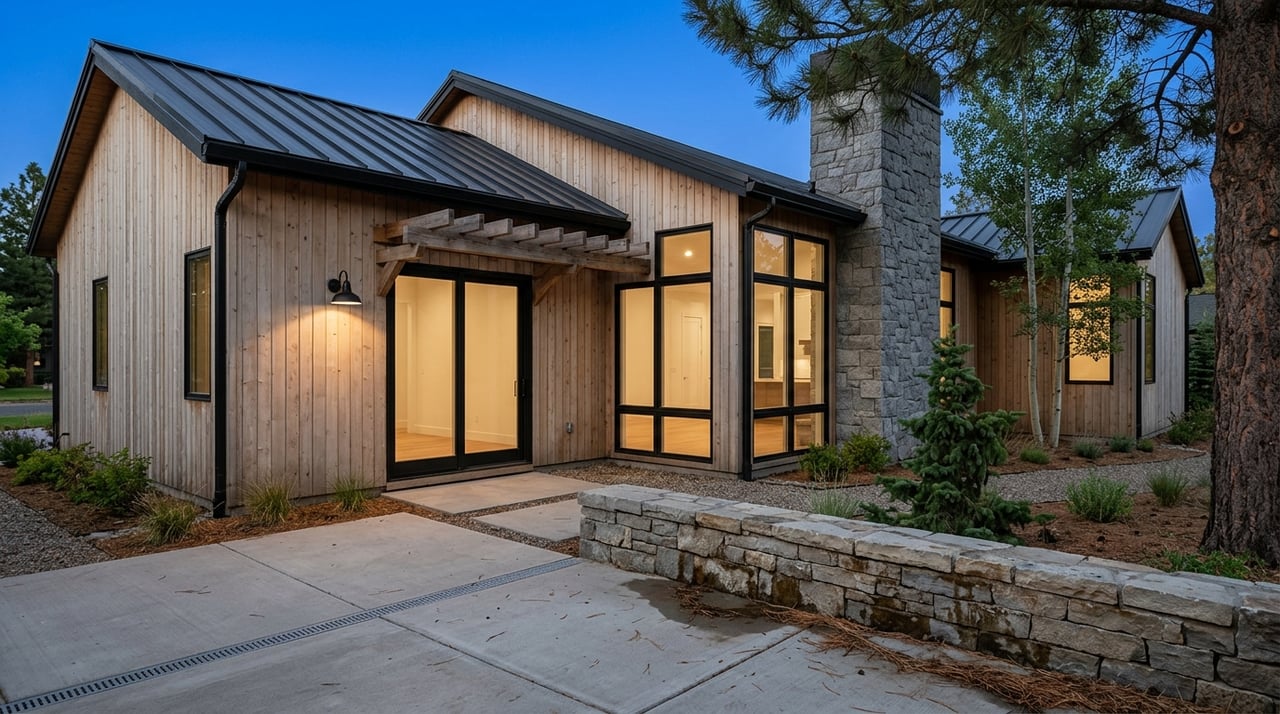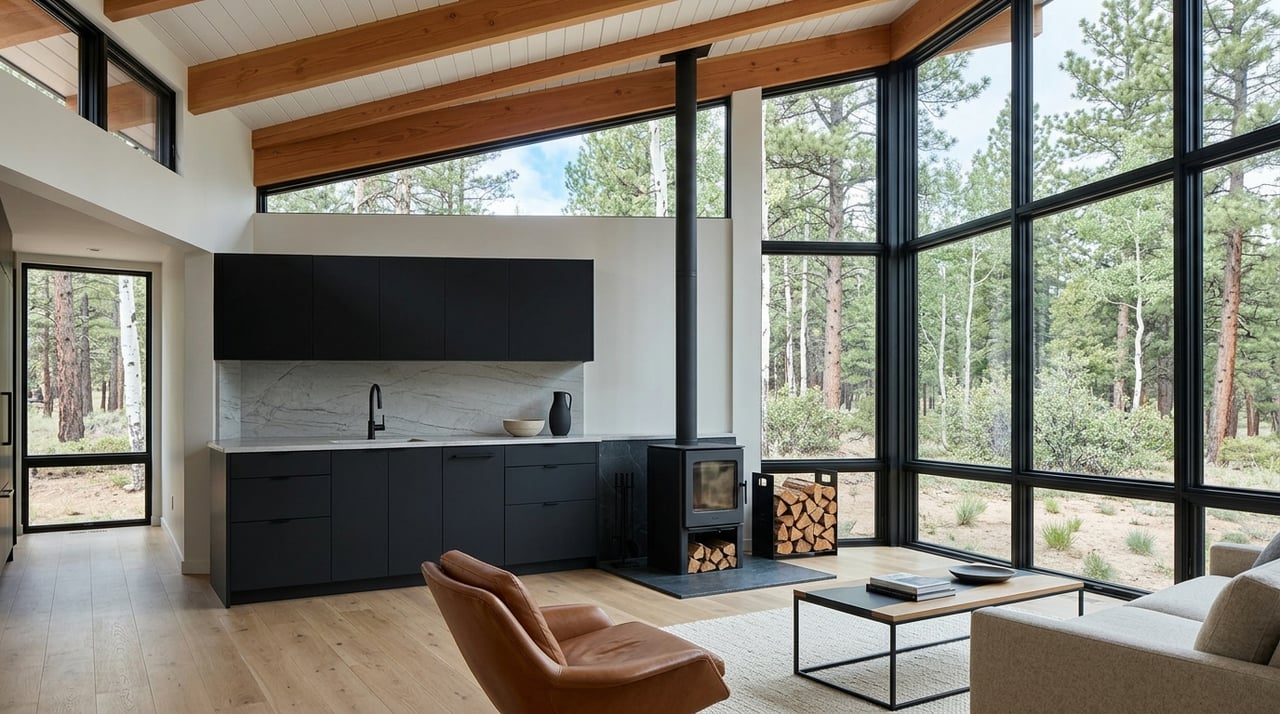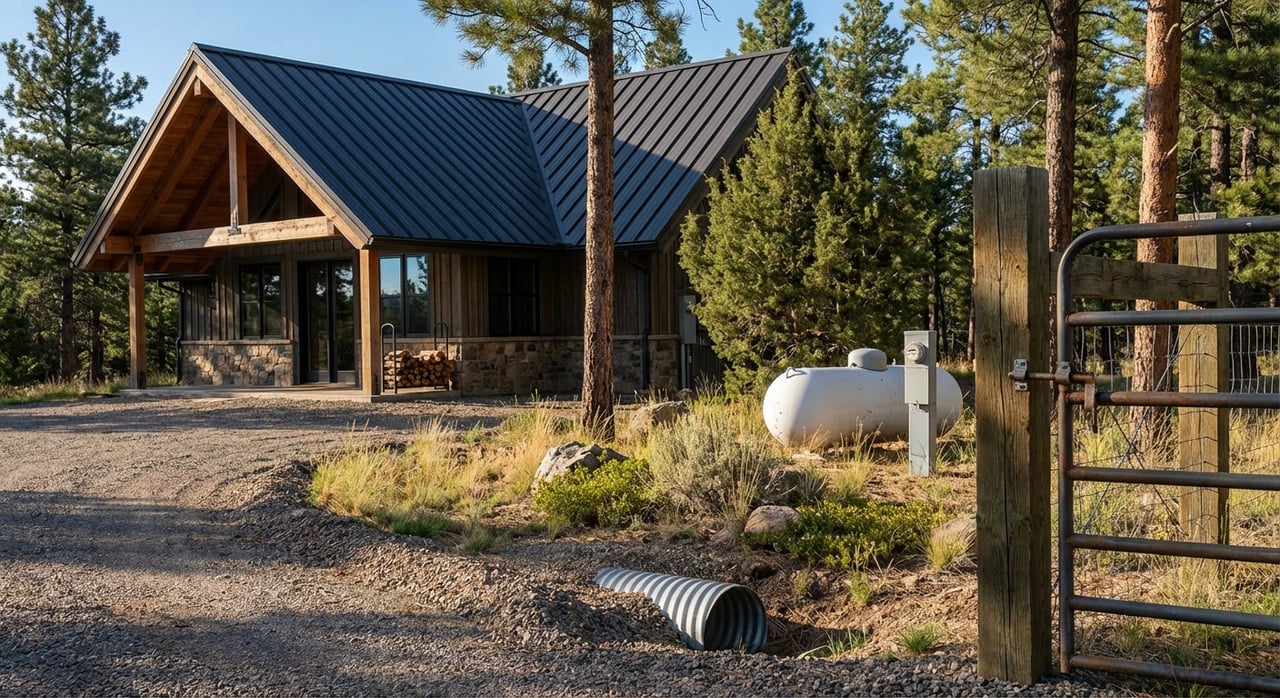
Ever picture yourself sipping coffee as the sun warms a wide meadow and pine ridges around you? Owning acreage in Florissant can deliver that space and privacy, along with a few mountain realities that are easy to plan for once you know them. If you want quiet, starry nights and room to spread out, you also want clear expectations about access, utilities, wells and septic, and wildfire readiness. This guide breaks down what daily life looks like, what to verify before you buy, and how to budget smart for a smooth experience. Let’s dive in.
The Florissant setting
Florissant sits at about 8,173 feet in elevation, an unincorporated community with rural neighborhoods that offer larger parcels and big-sky views. You are next to the Florissant Fossil Beds National Monument, a unique landmark and year-round outdoor destination that anchors the area’s identity. Expect cool nights, strong sun in summer, and winter snow that can linger, all of which shape home design and maintenance. For a deeper sense of place, explore the area’s background on the Florissant community page and the national monument’s visitor FAQs.
Most residents balance small-town life with regional commutes. You are roughly 34 miles from central Colorado Springs, often 45 to 55 minutes depending on route and conditions. Woodland Park, Mueller State Park, and Cripple Creek are common destinations for services and recreation.
Access and roads in winter
On acreage, access matters as much as the view. Many parcels connect to county roads, yet the last stretch can be a private subdivision road or a long driveway. Private segments are typically the owner’s responsibility to maintain, including grading and snow plowing. Ask for any road association documents or HOA rules that explain who pays for what.
Winter can test any driveway. Steeper grades and shaded sections may require 4WD vehicles and a plow plan. If you are considering a long or steep driveway, factor in traction, turnarounds for emergency vehicles, and drainage features like culverts that prevent washouts. A few smart questions up front save headaches later.
Checklist to ask the seller or neighbors:
- Who handled snow removal last winter and how often?
- Are there recorded road maintenance agreements on file?
- How long after storms does the nearest county road usually get cleared?
- Any recurring spring washouts or culvert issues?
Wells, septic, and water quality
Water and wastewater are core to rural living. Many Florissant properties use private wells and onsite wastewater systems. Before you buy, request septic as-built drawings, permits, and any transfer or maintenance records, then confirm details with Teller County Environmental Health. Budget for a septic inspection and a pumping schedule, and ask your inspector about system age, tank capacity, and any recommended upgrades.
If a property is within the Florissant Water & Sanitation District, you will have district water service rather than a private well. Contact the district for tap availability, fees, and recent drinking water reports through the Florissant Water & Sanitation District site. If the property relies on a private well, confirm the well permit history and reported yield as part of due diligence. Remember, a valid permit and a productive well are related but separate questions.
Utilities and everyday services
- Electricity: Much of the area is served by CORE Electric Cooperative. Ask the seller or the utility to confirm the meter location and service status for the parcel.
- Heating fuel: Pipeline natural gas may not be available on larger parcels. Many owners use propane, wood or pellet stoves, and electric heat. Verify if any propane tank is owned or leased and who services it.
- Broadband and cell: Internet options vary by address. Some neighborhoods have fixed wireless or DSL, and many owners use satellite or 5G home internet. To check availability, review the Florissant internet options tool and then confirm with providers at the specific address.
- Trash and mail: Service can be private subscription or handled at local transfer points. Ask about provider routes and any seasonal limitations.
- Emergency services: Fire, EMS, and law enforcement coverage may vary by district. Confirm the assigned fire district and response expectations using the county’s Emergency Service Agencies directory.
Zoning, uses, and permits
Before you fall in love with a parcel, verify what you can actually do with it. Teller County is a zoned county, and land use rules define permitted activities, accessory structures, and setbacks. Use the county’s property records portal to confirm the zoning designation, recorded plat or covenants, and any easements that affect access or use. Start your research with the Teller County Property Records Search.
If you plan to build or add a driveway, talk to Planning and Zoning or Development Services about permit steps and standards. For private roads or shared drives, look for recorded easements that spell out who maintains and insures the roadway. For barns, garages, or larger sheds, confirm whether a building permit is required and what setbacks apply to your zoning district.
Wildfire mitigation and insurance
Florissant sits in a beautiful forested landscape, and with that comes wildfire awareness. The Colorado State Forest Service recommends creating a Home Ignition Zone that includes noncombustible space within 0 to 5 feet, reduced fuels 5 to 30 feet, and thinning 30 to 100+ feet. Roofing rated Class A, ember-resistant vents, and pruning to remove ladder fuels are proven ways to reduce risk. Review the CSFS guidance on protecting your home from wildfire and plan to maintain defensible space.
Insurance markets across Colorado have tightened in recent years, especially in areas with wildfire exposure. Many homeowners are seeing higher premiums or stricter underwriting. Documented mitigation work, nearby hydrants or cisterns, and strong fire district resources can help. For context, read this overview of Colorado homeowners insurance trends, then speak with your agent about property-specific options.
Livestock, hobby uses, and STRs
If you want to keep horses or small livestock, verify that your zoning allows it and that you have a lawful water source for animals. Storage barns, loafing sheds, and fencing may need permits depending on size and placement. Always confirm setbacks and allowable structure types with the county.
Short-term rentals are a parcel-by-parcel decision shaped by county rules, special district policies, and any HOA covenants. Teller County has been studying STRs and publishing updates. If STR income is part of your plan, start with the county’s Short-Term Rental information page and confirm requirements before you invest.
Budget and gear checklist
Mountain acreage offers freedom and quiet, and it comes with a few line items that make life easier. Build these into your annual plan so nothing surprises you.
- Snow readiness: 4WD vehicle, snow tires, and a plowing plan for your driveway. Consider a seasonal contract if you travel often.
- Road maintenance: Periodic grading or gravel, culvert cleaning, and drainage fixes for long drives or shared roads.
- Heating and power: Propane refills or wood/pellets, chimney sweeping, and a basic backup power plan if your location has occasional outages.
- Water and septic: Occasional well service, water testing if needed, and septic pumping on a schedule recommended by your inspector.
- Mitigation: Annual defensible space upkeep and debris removal. Budget for tree work as the property matures.
Due diligence to do first
A little homework upfront protects your time and money. Use this list as your starting point.
- Confirm zoning, permitted uses, and any recorded covenants or plats in the county property records.
- Verify legal access and who maintains the road or driveway. Get any road association documents in writing.
- Pull septic permits and maintenance history, then schedule a professional inspection through Teller County Environmental Health.
- If on a well, review the permit history and ask for well logs and production tests.
- If in a water district, confirm tap status, fees, and service rules with the Florissant Water & Sanitation District.
- Check internet and cell options with an address-level review, starting with the Florissant internet options finder.
- Ask the local fire district about mitigation programs and confirm your coverage in the county emergency agencies directory.
- If you plan to do short-term rentals, review the county’s STR guidance and any HOA rules.
Your next step
If you are drawn to big skies and quiet nights, acreage in Florissant can be a great fit. With the right due diligence and a clear plan for winter access, utilities, and mitigation, you will enjoy the privacy and space that brought you here in the first place. If you want help matching your goals to the right parcel and coordinating inspections, permits, and local contacts, connect with The Case Advantage. We live and work here, and we are ready to guide you with local insight and concierge service.
FAQs
What should I know about wells and septic before buying in Florissant?
- Ask for septic permits and maintenance records, schedule a professional inspection, and confirm well permit history and production; start with Teller County Environmental Health for septic records.
How reliable is internet on rural acreage near Florissant?
- It varies by address; some areas have fixed wireless or DSL, while many owners use satellite or 5G home internet, so verify options at the specific property.
Who handles snow plowing on private roads and long driveways?
- Owners usually manage private segments, either by personal equipment or a seasonal contract; ask for any recorded maintenance agreements or HOA rules.
Can I keep horses or hobby livestock on my parcel?
- It depends on zoning and water availability; confirm permitted uses, structure setbacks, and any related permits with Teller County Planning and Zoning.
What wildfire steps should I budget for on a wooded property?
- Plan for defensible space within multiple zones, home-hardening details like Class A roofing and ember-resistant vents, and annual tree and debris maintenance.
Are short-term rentals allowed on acreage in Teller County?
- Possibly, depending on county rules, special district policies, and any HOA covenants; review the county’s STR information and confirm details before you buy.