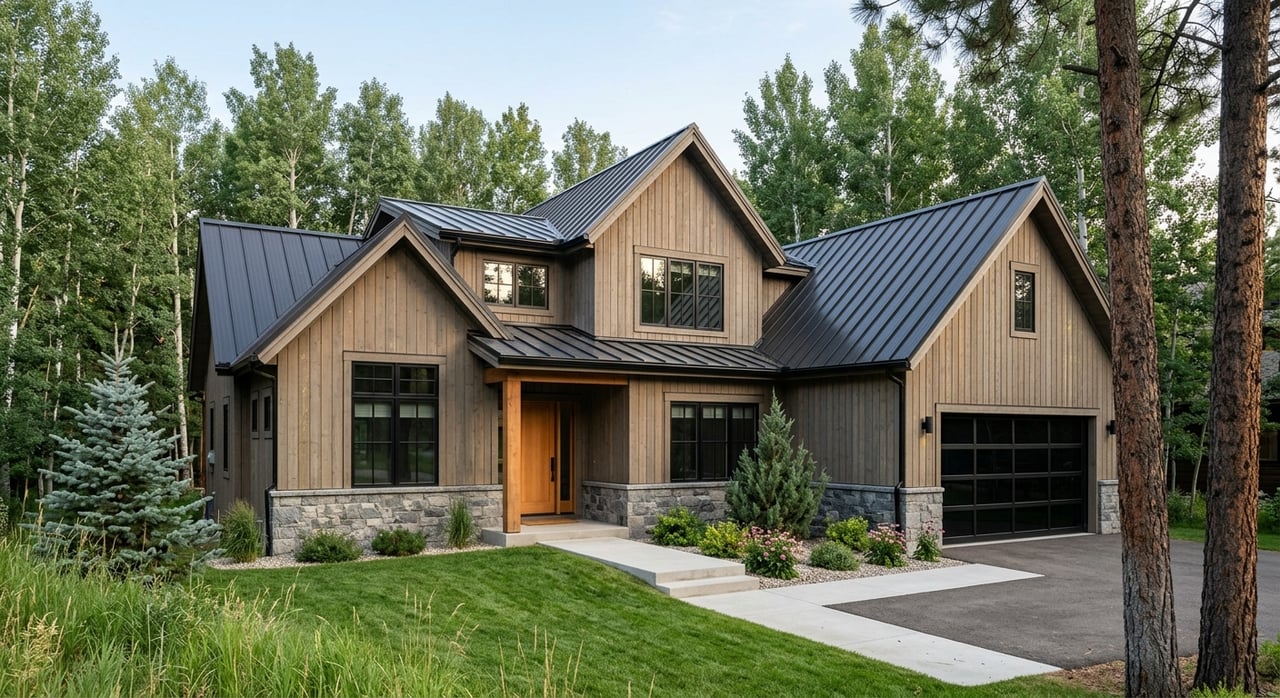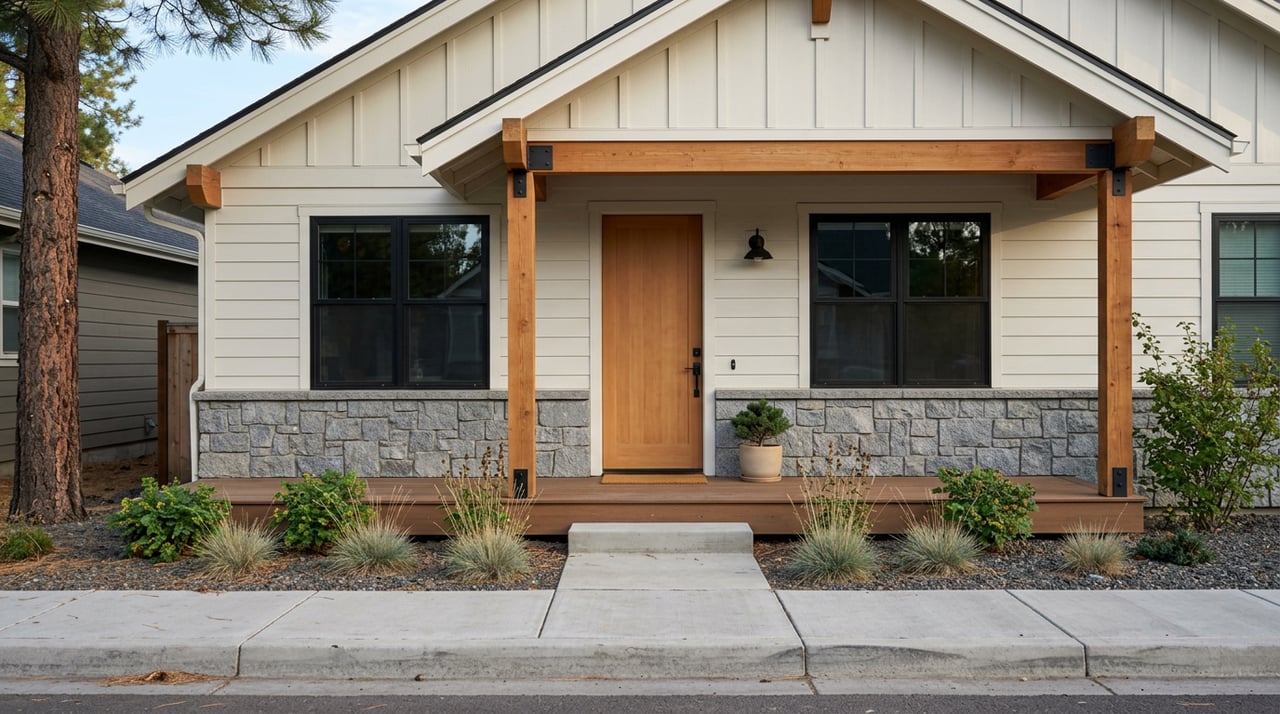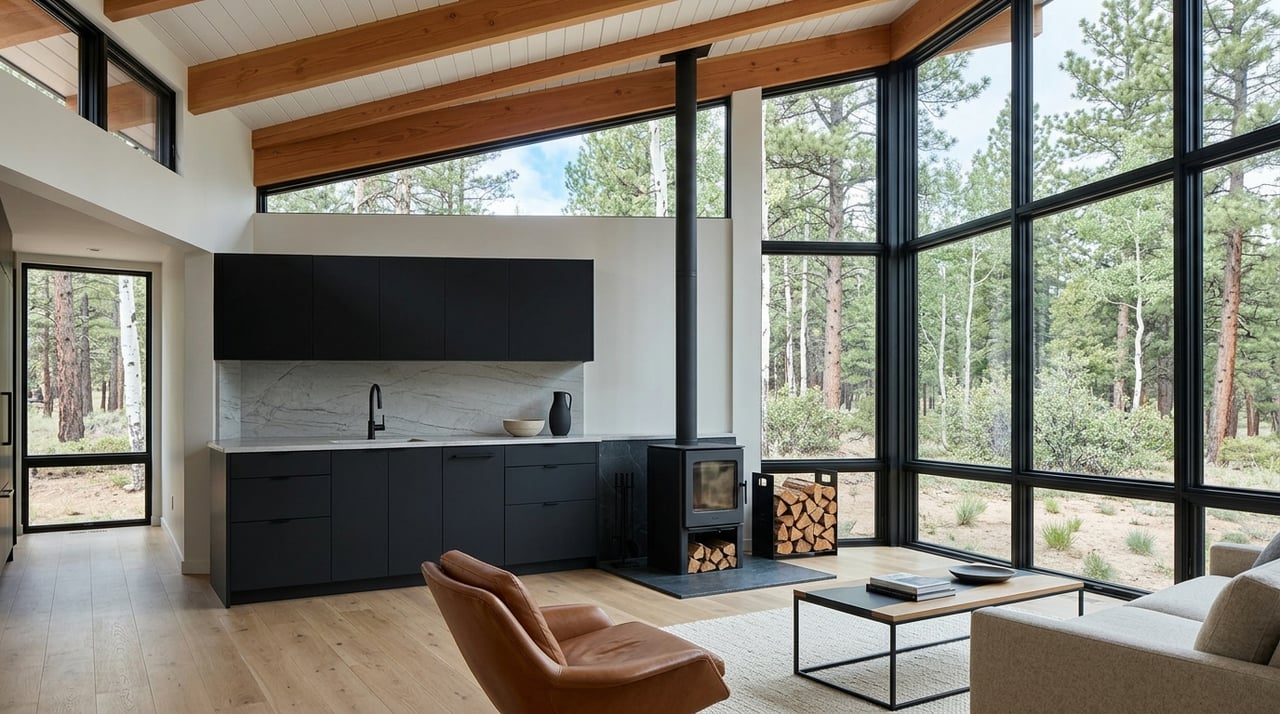
Dreaming about a cabin getaway or a piece of land near Lake George? You are not alone. This part of Park County offers the mountain feel many buyers want, but it also comes with practical questions that matter just as much as the views. If you are thinking about buying in the area, this guide will help you understand what to check before you close and how to evaluate a property with confidence. Let’s dive in.
Why Lake George Appeals to Buyers
Lake George sits at about 8,000 feet in southern Park County, roughly 45 miles from Colorado Springs, according to Park County community information. The area is known as a small mountain community with everyday essentials like a convenience store, motel and cabins, restaurant, auto service station, post office, elementary school, and public library.
What draws many buyers, though, is the setting. Park County says federal lands make up 51 percent of the county, with places like Pike National Forest and Eleven Mile Canyon Recreation Area shaping how people use and enjoy the area. That makes Lake George feel less like a typical suburban market and more like a basecamp for mountain living and recreation.
Know What You Are Really Buying
Buying a cabin or land parcel in Lake George often means buying more than a structure or lot line. You may also be evaluating well rights, septic history, private-road access, easements, and seasonal use issues.
That is why due diligence matters so much here. In a mountain market, details like who plows the road, whether the driveway is permitted, or what the well can legally serve can affect both your use of the property and your long-term costs.
Start With Water and Septic
Confirm the exact water source
Before closing, make sure you know exactly where the property’s water comes from. The Colorado residential seller disclosure form asks sellers to identify whether the property is served by a well, whether well permit records are available, whether there is a shared well agreement, and what the potable water source is in the Source of Water and property disclosure documents.
If the property uses a well, verify the permit number and review any available records. If it is a shared well, you will want to understand the agreement, maintenance responsibilities, and any limits on use before you move forward.
Understand well permits and transfer steps
Park County says property owners must obtain a well permit from the Colorado Division of Water Resources before drilling. The county also recommends testing well water for bacteria, nitrates, radioactivity, and metals before household use.
Colorado law also requires buyers who acquire certain domestic or small-capacity exempt wells in a residential transaction to file the appropriate change-of-owner form, or registration if needed, within 63 days after closing, as outlined in the Colorado statutes on property and water-right conveyance. In short, do not assume the water side of the property handles itself automatically.
Review septic status carefully
Septic is another big item for cabin and land buyers. Park County says building permits are not issued until applicants comply with other county requirements, and a septic system permit must be obtained before applying for a building permit under its development guidelines.
You should confirm the septic permit status, inspection history, and latest pumping date. The seller disclosure form specifically asks for those items, and Park County Environmental Health is part of the review path for many onsite wastewater questions in the area.
Ask about site limits and wetlands
Not every parcel is equally ready for development. Park County notes that its Environmental Health Department works with landowners on septic and driveway permits and also handles site evaluation and wetlands delineation through Environmental Health services.
If you are buying vacant land, this is especially important. A lot may look usable at first glance, but site conditions can affect where you can place improvements and what kind of systems may be approved.
Access Can Make or Break a Property
Verify legal and physical access
In Lake George, access is not a box to check quickly. Park County subdivision rules require direct, uninterrupted, permanent access to a public thoroughfare, and lots must be accessible by a state highway or a road system that meets county standards under the county’s subdivision and platting regulations.
That means you should confirm both legal access and real-world access. A parcel may appear reachable on a map, but you still want to know whether the route is recorded, usable, and dependable in different seasons.
Find out who maintains the road
One of the most important questions to ask is simple: who maintains the road? Park County says it only maintains roads in the county road system, while state highways, private roads, town streets, and many subdivision roads are not county-maintained, according to its development guidelines.
The county also notes that some remote county roads may be graded only once a year, if at all. Snow removal on lower-priority roads may be a courtesy rather than a guarantee, so winter access should be part of your decision from day one.
Check the driveway too
Driveways are separate from roads, and they matter. Park County requires owners to identify driveway locations and obtain a driveway permit before construction, and owners are responsible for building and maintaining their own driveways and parking areas through the same county development process.
If you are buying an existing cabin, ask whether the driveway was permitted. If you are buying land, ask where a future driveway could go and whether the terrain may make construction more complex.
Prepare for Mountain Conditions
Lake George is beautiful, but it is not plug-and-play mountain living. Park County says it has more territory above 9,000 feet than any other Colorado county, recommends four-wheel or all-wheel drive vehicles in all seasons, and notes that winter can begin in late September and last until May in its geography and geology overview.
The county’s climate information also warns that winter road and weather conditions can make even county-maintained roads impassable for periods of time. For buyers, that means you should think through year-round access, vehicle needs, delivery logistics, and how often you plan to use the property in winter.
Review Easements and Title Details
Read the plat and title work closely
For land and cabin purchases, title review deserves extra attention. If the parcel is platted, Park County requires public easements to be designated on the plat under Article VII of the land-use regulations.
This matters because easements can affect where you build, how utilities reach the property, and who may have rights across the land. Review title documents and plat maps carefully, especially if access depends on a shared route or utility corridor.
Watch for ditch and irrigation issues
If a property includes a ditch or shared irrigation infrastructure, Park County warns that ditch owners may have the right to enter the property with equipment to maintain the ditch and water source, according to the Park County Emergency Preparedness Guide.
The same guide notes that you cannot assume flowing ditch water is available for private use. It also says some wells cannot be used for landscaping or livestock, so permitted use on the well file is a key detail to verify.
Think About Recreation Access Realistically
One big reason buyers look at Lake George is recreation. Park County says the area includes public lands, forest access, and nearby reservoirs that draw visitors throughout the year, making it a strong choice for people who want a mountain basecamp lifestyle near public lands and recreation corridors.
That appeal is real, but every recreation plan has its own rules. If you want easy access to fishing, boating, or seasonal park use, confirm the current pass requirements, access rules, and closure windows for the places you care about most.
Eleven Mile Canyon and South Platte access
For anglers, the South Platte River in Eleven Mile Canyon is designated as Colorado Quality Waters with year-round catch-and-release fishing for brown trout, rainbow trout, and cutbow. The Forest Service access in the canyon requires a pass, and services may be reduced during winter months.
If fishing access is part of your buying decision, be sure you understand how far the property is from your preferred entry points and what seasonal conditions may look like.
State park recreation nearby
The Lake George area also benefits from proximity to Eleven Mile State Park and Spinney Mountain State Park. Eleven Mile supports activities like fishing, boating, kayaking, canoeing, sailing, windsurfing, and hiking and biking trails.
Spinney Mountain operates on a seasonal schedule and is generally open after spring ice through November 15 unless ice returns sooner. That seasonality can shape how you use a second home, cabin, or vacant land purchase in the area.
A Smart Buyer Checklist
If you are serious about cabins or land in Lake George, keep this checklist handy:
- Confirm the exact water source and well permit number
- Ask for any shared well agreement
- Review septic permit, inspection, and pumping history
- Check whether the county has identified site or wetlands constraints
- Verify legal access and physical access year-round
- Find out who owns and maintains the road
- Ask whether snow removal is routine, limited, or not provided
- Confirm whether the driveway has a permit
- Review title work, plat maps, and recorded easements
- Ask about wildfire mitigation needs such as defensible space, driveway access, and address signage
- Check public-land rules, passes, and seasonal closures for nearby recreation areas
Why Local Guidance Helps
A Lake George purchase often looks simple from the listing photos and much more layered once inspections, title review, and county questions begin. That is especially true for out-of-area buyers, second-home buyers, and anyone purchasing vacant land for future plans.
Working with a local team can help you ask better questions early, spot issues that deserve extra review, and keep your purchase aligned with how you actually want to use the property. If you are exploring cabins, acreage, or land near Lake George, The Case Advantage can help you navigate the details with clear, practical guidance.
FAQs
What should you check first when buying land in Lake George?
- Start by confirming water, septic, and access. In this area, those three items often shape whether the land fits your plans and budget.
What water questions matter for a Lake George cabin purchase?
- You should confirm the exact water source, review the well permit number, ask for any shared well agreement, and verify whether any change-of-owner filing is required after closing.
What septic documents should you request for a Lake George property?
- Ask for the septic permit, latest inspection, latest pumping date, and any county information about site conditions or wetlands constraints.
How important is road maintenance for Lake George buyers?
- It is very important because Park County does not maintain every road, some roads may be graded infrequently, and snow removal may be limited or unavailable depending on the location.
Why do easements matter when buying cabins or land in Lake George?
- Easements can affect access, utilities, building placement, and maintenance rights, so you should review title work and plat maps closely before closing.
Is Lake George a good fit for recreation-focused buyers?
- It can be a strong fit if you want access to public lands, fishing, boating, hiking, and seasonal park use, but you should always verify site-specific access rules, passes, and seasonal conditions.