Thinking about moving to Divide and torn between building from the ground up or buying an existing home? In the mountains, that choice comes with unique tradeoffs you don’t see in town. You want a clear plan that respects your time, budget, and the realities of Teller County’s terrain and rules. In this guide, you’ll get a local framework to compare timelines, costs, permits, wells and septic, wildfire considerations, and the team you’ll need to succeed. Let’s dive in.
Build vs buy at a glance
- Choose buying if you want a predictable 30–60 day closing, the ability to inspect the site’s real-world performance, and fewer variables. Renovations can follow as needed.
- Choose building if you want full design control and modern systems tailored to high elevation, and you’re comfortable with longer, less certain timelines and more up-front planning.
- In Divide, weigh site realities like slopes, snow, wells, septic, utilities, and wildfire risk early. These factors drive both schedule and budget.
Timeline and certainty in Divide
Buying an existing home
Most purchases follow a predictable path. You can usually close in 30–60 days if your financing, title, and inspections are in order. If you plan to update the home, factor in additional weeks or months depending on scope. The upside is simplicity and speed, especially if you’re relocating on a tight schedule.
Building new
New construction takes longer and has more variables. Typical phases include lot closing, design and engineering, county permits, site work, foundation, framing, finishes, and final inspections. In a mountain setting, plan for weather impacts, seasonal scheduling, and permit review time that can add months. Supply delays and subcontractor availability may also shift your timeline.
Financing and upfront cash
Buying an existing home
Conventional purchase mortgages are widely available and straightforward. Underwriting, down payments, and appraisal requirements are well understood for finished homes.
Building new
Construction financing is more complex. Options include construction-to-permanent loans, stand-alone construction loans, and lot loans if you buy land first. Construction loans often have draw schedules, interest-only payments during the build, and higher reserve or down payment expectations. Lender requirements for infrastructure such as septic, well, and utility plans can influence approval and loan-to-cost ratios. Some buyers also explore VA, FHA, or USDA Rural Development programs when available. Work with lenders experienced in rural and mountain construction so they can show you comparable local deals.
Lot and site realities in Divide
Divide’s terrain is beautiful and challenging. Many parcels are wooded or sloped, which can increase the complexity of grading, foundations, and driveways. Truly build-ready lots with utilities, an approved septic design, and straightforward access are less common.
If you buy an existing home, you can evaluate the site’s performance during due diligence. That means verifying well output and water quality, septic function, winter access, and utility reliability before you close. If you are building, investigate each lot’s slope, soils, access easements, views, tree-clearing limits, and solar exposure before you commit.
Private wells and onsite wastewater treatment systems are common outside town centers. Wells require permitting and drilling, and septic systems must meet Teller County health standards. Soil conditions and slope can limit septic options, so early testing is essential. Utilities like natural gas and high-speed broadband may not be available everywhere, and long trench runs can add cost.
Design control and lifestyle fit
Building gives you maximum control over layout, orientation, and materials. You can design for high-elevation performance with the right insulation, mechanical systems sized for cold, appropriate roof pitch for snow, and ember-resistant details for wildfire exposure. If you buy an existing home, you trade some control for speed. Major remodels are possible but can be costly due to access, structural, and mechanical upgrades in a mountain environment.
Cost, risk, and contingency planning
New builds in mountain settings carry cost variables you should plan for. Key drivers include site work, engineered foundations, utility extensions, well drilling, septic systems, erosion control, and cold-weather construction needs. Change orders and unforeseen conditions are common, so include a contingency in your budget and confirm the level your lender requires.
Buying an existing home can carry a premium for move-in readiness. Older mountain homes can have deferred maintenance such as roofing, insulation, mechanicals, and water treatment needs. Whether you build or buy, budget for near-term improvements linked to snow, drainage, and wildfire mitigation.
Permitting and code basics in Teller County
Teller County Community Development handles building permits, plan reviews, and inspections. Expect to provide structural plans, civil or site plans, and approvals for septic if applicable. Steep sites often require engineered designs.
Teller County Public Health permits onsite wastewater systems. Approvals depend on soil percolation, setbacks, slope, and lot size. For water, the Colorado Division of Water Resources regulates wells and water rights. Well yield tests and well logs are common verification steps and may inform your design choices.
Mountain construction must meet structural and energy code requirements that reflect snow loads and insulation values. Local fire districts may also recommend or require wildfire mitigation measures that influence materials and site layout.
Utilities, access, and wildfire
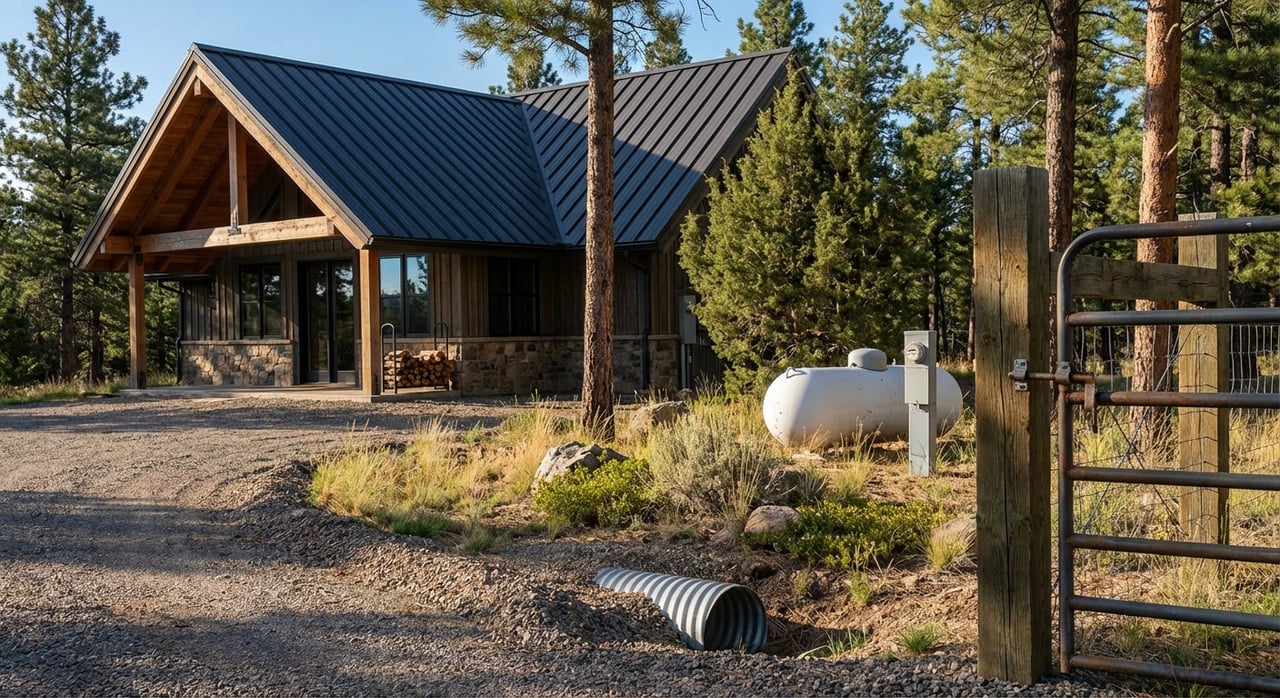
Not every parcel has easy utility access. Confirm electric service and whether a transformer or long service drop is needed. If natural gas is unavailable, plan for propane placement and delivery access. Broadband and phone coverage can be limited in certain areas, and new service may require right-of-way or pole extensions.
Access is critical in winter. Some roads are private or maintained by an HOA or road association. Verify snow removal and maintenance responsibilities before you close. Wildfire is a real consideration in the wildland-urban interface around Divide. Factor defensible space, fire-resistant materials, roofing, and ember-resistant vents into your plans. Insurers may consider mitigation work when setting premiums.
Resale and long-term value
New construction can attract buyers who value energy efficiency, modern systems, and lower near-term maintenance. In mountain markets, some buyers prefer established homes and lots with mature vegetation or rustic character. Resale value depends on location, access, views, wildfire mitigation, and neighborhood comparables.
If you buy an existing home and make targeted updates such as windows, insulation, or a kitchen refresh, you can boost marketability. Buyers in Teller County often prioritize proximity to recreation, functional winter access, and practical storage for gear.
Your Divide build team
A strong local team reduces risk and keeps your project moving.
- Real estate agent with mountain experience: helps evaluate lots or existing homes, CC&Rs, road maintenance, and local comparables.
- Architect or designer: designs for snow loads, passive solar potential, and wildfire-resistant details.
- General contractor: confirm local references, seasonal scheduling, and experience with wells, septic, and steep-site foundations.
- Civil and geotechnical engineers: essential for grading, drainage, and foundation design.
- Septic designer/installer and soils technician: required for onsite wastewater designs and county approval.
- Well driller or hydrogeologist: evaluates feasibility and performs yield testing.
- Surveyor: boundary, topographic, and construction stake-out.
- Lender experienced in construction loans for rural properties: align on draw schedules and appraisal needs.
- Insurance broker with wildfire experience: verify insurability and mitigation expectations.
- Optional specialists: permitting expeditor and energy rater for performance and potential incentives.
A simple roadmap to decide
- Lot due diligence
- Confirm zoning, setbacks, CC&Rs, easements, and who maintains roads.
- Verify utilities and providers for electric, gas or propane, broadband, and sewer vs septic.
- Order a boundary/topographic survey and geotechnical soils report.
- Run septic perc tests and check well feasibility using logs or driller input.
- Identify wildfire exposure and any material or defensible-space expectations.
- Financing and appraisal
- Prequalify with a lender experienced in mountain construction or rural purchases.
- Clarify draw schedules, interest-only periods, and appraisal basis for new builds.
- Design and permitting
- Engage an architect or designer with high-elevation experience.
- Prepare construction drawings and submit for permits.
- Start septic and well applications early since they can gate progress.
- Contractor selection and contract
- Get multiple bids. Check references for similar site conditions.
- Use a clear contract that defines scope, change-order process, payment schedule, timeline, and warranty.
- Construction and inspection
- Plan temporary access and utilities.
- Implement erosion control and wildfire mitigation early to protect the site.
- Coordinate interim inspections and your final certificate of occupancy.
Common pitfalls to avoid
- Skipping early soils and perc testing, then discovering septic limitations after purchase.
- Assuming broadband or natural gas is available without verifying provider coverage and extension costs.
- Underestimating winter access challenges and snow removal responsibilities on private roads.
- Choosing a lender unfamiliar with rural construction, leading to delays with draws and appraisals.
- Neglecting wildfire mitigation during design, which can affect both safety and insurability.
If you want the design control and are comfortable managing variables, building in Divide can be deeply rewarding. If you prefer predictability and speed, buying an existing home and tailoring it over time may be your best fit. Either way, a local guide makes the process smoother and safer.
When you are ready to compare specific lots or homes, connect with a team that knows Teller County’s terrain, permits, and neighborhood nuances. Schedule a consultation with The Case Advantage to map your next steps.
FAQs
How long does it take to build a home in Divide, Colorado?
- Building timelines vary with design, permits, weather, and subcontractor schedules. Mountain conditions and plan reviews can add months, so expect a longer, less certain process than buying.
What should I check before buying a vacant lot in Divide?
- Verify zoning, setbacks, CC&Rs, easements, utilities, road maintenance, soils and perc tests, well feasibility, slope, and wildfire exposure before you commit.
How is financing different for construction compared to buying an existing home?
- Construction loans use draw schedules and may require higher reserves and interest-only payments during the build. Buying an existing home typically uses a standard mortgage with simpler underwriting.
Can I get insured for a new build in Divide’s wildfire zones?
- Insurability depends on location, materials, and mitigation. Engage an insurance broker early, plan defensible space, and choose fire-resistant materials to improve underwriting and costs.
What are the biggest cost wildcards when building in Teller County?
- Site work, engineered foundations for slopes, utility extensions, well drilling, septic systems, erosion control, and winter conditions are common cost drivers. Include a contingency.
Who handles permits and inspections for new builds in Divide?
- Teller County Community Development oversees building permits and inspections, while Teller County Public Health manages onsite wastewater approvals. The Colorado Division of Water Resources regulates wells and water rights.