Do you picture waking up among the pines but still need to reach Colorado Springs for work most days? You are not alone. Many buyers weigh Woodland Park’s mountain lifestyle against foothills-feel neighborhoods inside Colorado Springs. In this guide, you will get a clear look at commute realities, weather, schools, housing, and everyday services so you can choose what fits your life. Let’s dive in.
Woodland Park vs. Colorado Springs at a glance
Woodland Park is a small mountain city perched along US 24 in Teller County. It draws people who want a quieter setting, tall trees, and quick access to trails. Colorado Springs is a larger metro with more employers, more services, and many neighborhood choices.
Elevation is the biggest difference you will feel. Woodland Park sits roughly two thousand feet higher than most parts of Colorado Springs. That means cooler temperatures, more snow, and curvier local roads. Your main commuting corridor is US 24, which carries you east into the city and connects to I-25 for north and south travel.
If you love the foothills vibe but want shorter drives, several Colorado Springs neighborhoods offer that feel. Areas like Rockrimmon, the west side near Old Colorado City and Manitou-adjacent pockets, the Broadmoor and Cheyenne Canyon area, and parts of the northwest near Briargate blend quicker access to city employers with trail proximity.
Commute realities on US 24
Typical drive times
Your drive time depends on your start and end points and the time of day. Plan for:
- Woodland Park to downtown or central Colorado Springs: roughly 30 to 45 minutes in normal conditions.
- Woodland Park to northern Colorado Springs, including Briargate and the USAFA area: roughly 35 to 55 minutes in normal conditions.
- Inside Colorado Springs, many neighborhoods offer 10 to 30 minute commutes to common employment centers.
These ranges are practical planning windows. If you rely on I-25 north of downtown, add time for surface streets to reach the interstate from US 24.
Peak and winter impacts
Traffic on US 24 follows typical patterns. Eastbound mornings and westbound evenings are busiest. Weekend traffic can spike during peak recreation times. Because there are few true detours between Woodland Park and the city, an incident or roadwork on US 24 can create delays.
Winter is the big variable. Woodland Park sees more frequent snow and ice. Storms can extend your drive, and steep approaches may require slower speeds. Snow removal is active, but you should plan ahead, keep winter tires in season, and monitor road updates during storms. Summer brings fewer weather disruptions, though wildfire smoke can sometimes affect visibility.
Transit and flexibility
Direct public transit between Woodland Park and Colorado Springs is limited. Most commuters drive. Many employers support hybrid or flexible schedules, and carpooling is common among mountain commuters to reduce the number of trips each week.
Climate and outdoor access
Weather differences you will feel
Because Woodland Park is higher, you will experience cooler days and nights and a shorter growing season. Snow events are more frequent and heavier than in most Colorado Springs neighborhoods. The Springs tends to have milder winters and warmer summers. If you enjoy crisp mornings and fresh snowfall, the mountain climate may feel like a win. If you prefer less shoveling, you may lean toward the foothills inside the city.
Trailheads and recreation
Woodland Park places you close to forest trails, Mueller State Park, and the Pikes Peak corridor. Hiking, mountain biking, hunting, and scenic drives are part of daily life. Colorado Springs offers a deep network of parks and trails like Garden of the Gods and access along the west side and foothills. If trailhead access drives your decision, the west and northwest side of the Springs can be a smart middle ground.
Wildfire awareness
Wildfire risk exists across the Pikes Peak region, and it can be more pronounced in forested, higher-elevation areas. In Woodland Park and surrounding parcels, plan on creating defensible space and following mitigation guidance. Smoke during regional events can affect both Woodland Park and Colorado Springs. Factor mitigation steps and potential insurance requirements into your planning.
Schools and services
School district overview
Woodland Park is served by Woodland Park School District RE-2. Schools are small to moderate in size with a strong community feel and outdoor programs cited by many families. Colorado Springs includes several districts with boundaries that vary by neighborhood, including District 11 in the core, Academy District 20 in the north and northeast, Cheyenne Mountain District 12 in the southwest, and others. Because district assignments and performance vary by address, verify exact school boundaries and review current state report cards before you decide. Visiting schools is useful to understand fit.
Healthcare and shopping
Colorado Springs has larger hospitals, specialty medical providers, and big-box retail. Woodland Park offers clinics, urgent care, and local grocery and retail options. For major medical, specialty appointments, or large shopping trips, you will typically head into the Springs. Emergency response times can vary by neighborhood type, with rural and mountain settings sometimes experiencing longer response windows.
Housing styles and neighborhoods
What you will find in Woodland Park
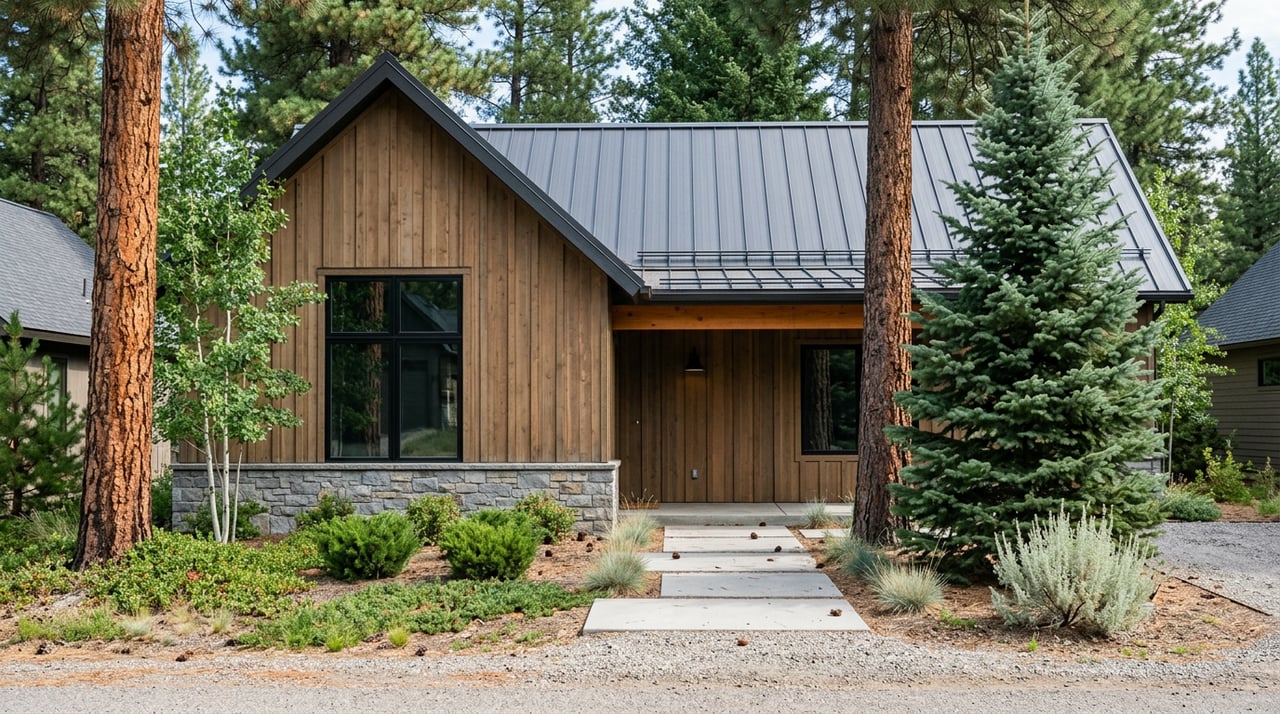
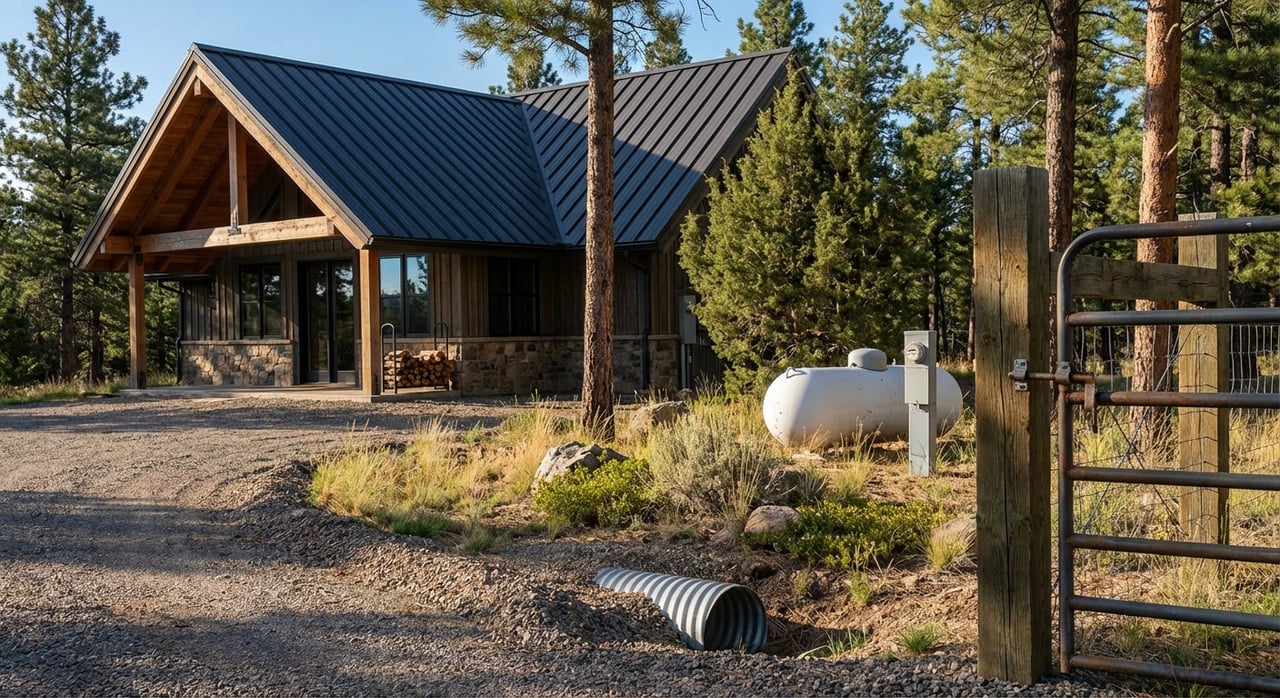
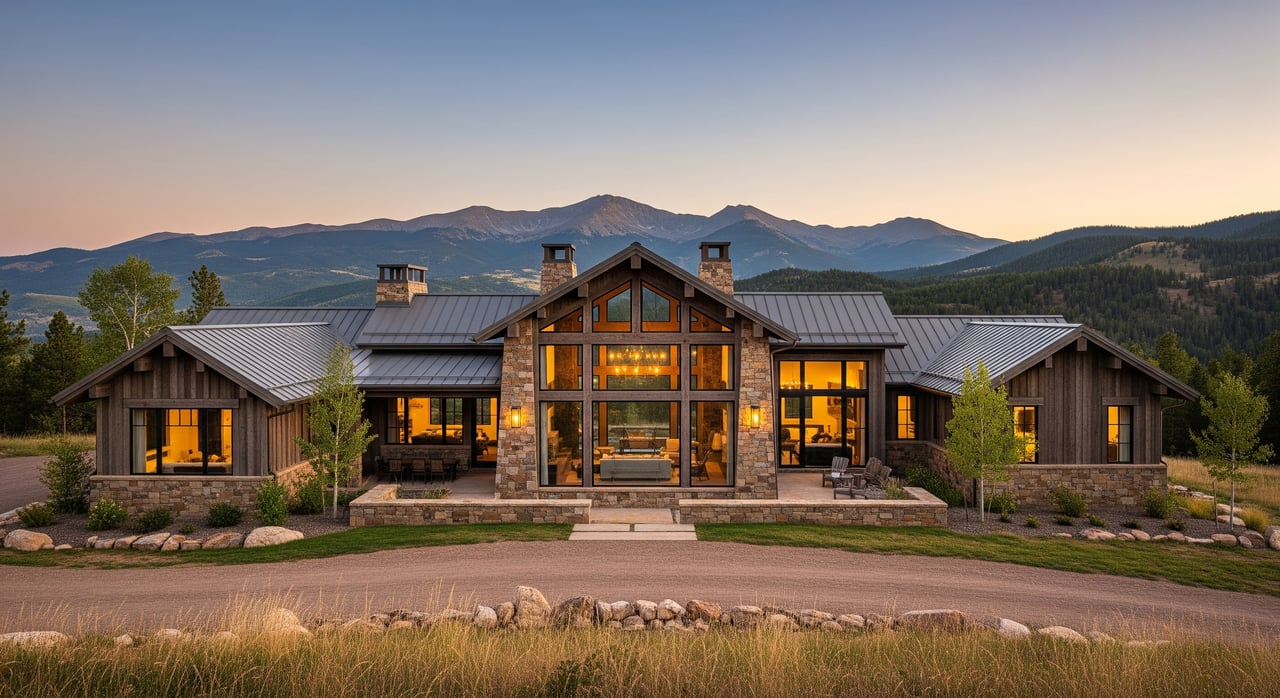
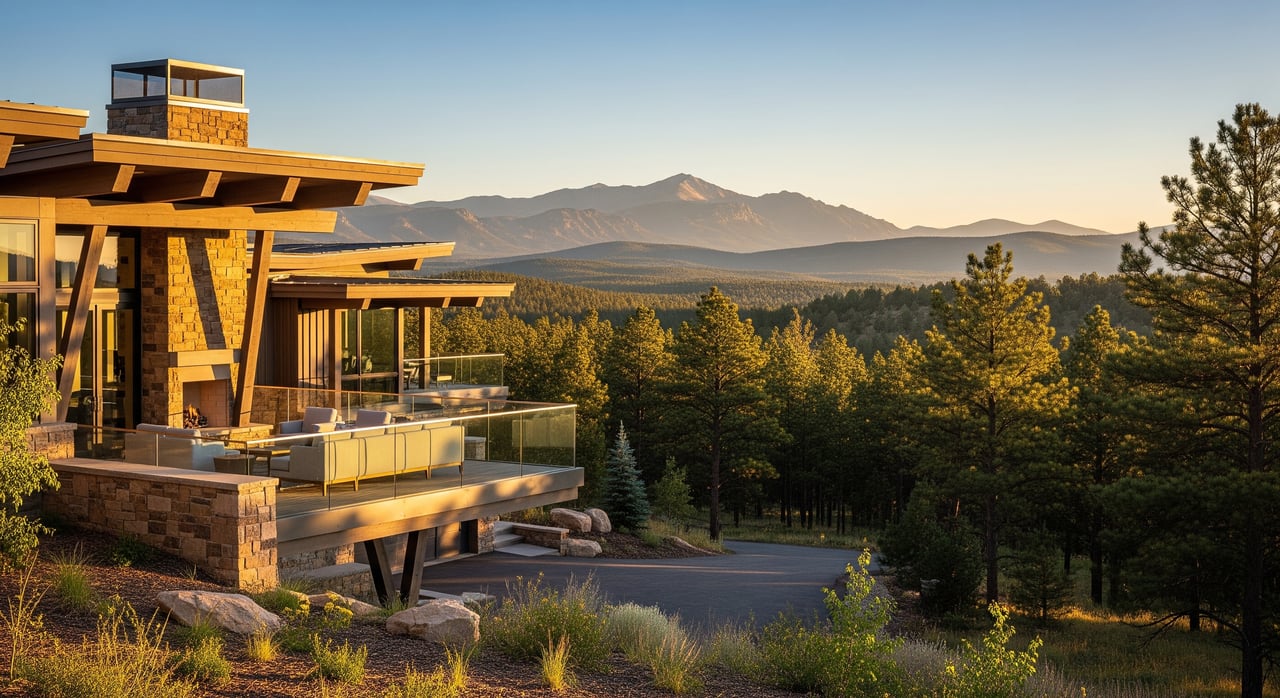
Expect a strong mix of single-family homes, cabins, and mountain-style properties with log or timber accents. Many lots are wooded and sloped, and driveways can be steep. Supply can be limited for specific features, such as large flat lots or certain view lines, simply because the market is smaller. Prices vary by lot size, setting, finishes, and access.
Foothills feel in Colorado Springs
If you want a foothills vibe with shorter commutes, several areas stand out:
- Rockrimmon and nearby northwest pockets: quick access to I-25 north, foothills trails, and established neighborhoods.
- West side near Old Colorado City and Manitou-adjacent areas: historic character, trail access, and proximity to downtown.
- Broadmoor and Cheyenne Canyon area: close to canyon trails and southwest amenities.
- Northwest and Briargate corridors: practical for northern employers and services, with varied housing options.
Inside the city you will find a broader mix of condos, townhomes, suburban single-family homes, and historic properties. Foothills neighborhoods often carry a premium over standard subdivisions but can be competitive compared with true mountain-town homes once commute and services are considered.
Practical costs and utilities
Water, sewer, and broadband
In Woodland Park, many homes are on municipal water and sewer, but surrounding Teller County properties may rely on wells and septic systems. Confirm service type at the address level. Broadband can vary in mountain areas. Some subdivisions have limited providers or slower speeds, so verify service options and speeds if remote work matters to you.
HOA obligations also vary. Some mountain communities handle private road maintenance or snow removal. Always review HOA documents for responsibilities and seasonal costs.
Insurance, taxes, and winter readiness
Homeowners insurance in mountain settings can reflect wildfire exposure, snow load, and access considerations. Get quotes early and ask about mitigation requirements. Property tax rates differ by county and special district, so compare rates for your target addresses in Teller County and El Paso County. Plan for winter-specific gear and maintenance, including appropriate tires, shoveling or plowing, and sand for steep drives.
Which lifestyle fits your day-to-day
Choose Woodland Park if the mountain setting is your top priority and you can accept a longer, sometimes weather-sensitive commute. You will enjoy quieter streets, tall pines, and quick escapes to the forest. If your work requires frequent trips across the city or you want larger hospitals and retail minutes away, you may prefer a foothills neighborhood in Colorado Springs. You can still get trail access and views while keeping daily drive times tighter.
Many buyers land in the middle. They live in Woodland Park and plan for a hybrid schedule, or they pick a west or northwest Springs neighborhood that balances commute efficiency with the outdoor lifestyle they want. Your best fit will align commute, budget, school preferences, and how you spend your free time.
Quick decision checklist
- Test-drive your commute during typical work hours and after a winter storm.
- Confirm school boundaries at the exact address and visit the schools.
- Verify utilities, broadband options, and emergency response coverage for the property.
- Get insurance quotes that reflect wildfire exposure and snow load risk.
- Review HOA and road maintenance responsibilities, especially for private roads.
- Consider resale: Woodland Park appeals to mountain lifestyle buyers, while Colorado Springs foothills neighborhoods draw a broader commuter pool.
- Walk the lot to assess driveway grade, snow management, and access.
If you are comparing specific addresses in Woodland Park and west-side or northwest Colorado Springs, we can help you weigh commute patterns, school boundaries, utilities, and neighborhood character side by side. Connect with our local team at The Case Advantage to map your options and schedule showings that fit your criteria.
FAQs
How long is the commute from Woodland Park to downtown Colorado Springs?
- Plan for roughly 30 to 45 minutes in normal conditions, with longer times during peak traffic or winter storms.
How do winter storms affect US 24 between Woodland Park and the Springs?
- Woodland Park sees more frequent snow and ice, so storms can slow travel and require winter tires and extra time; plan for delays when conditions are active.
Which school district will my new address belong to in Woodland Park or Colorado Springs?
- Woodland Park addresses are served by Woodland Park RE-2, while Colorado Springs assignments vary by neighborhood; confirm exact boundaries and review current district and state reports.
Will I have reliable internet for remote work in Woodland Park?
- It depends on the subdivision; some mountain areas have limited providers or slower speeds, so check available ISPs and plan for the speeds you need before you buy.
How do insurance and taxes compare between Teller County and El Paso County?
- Insurance can be influenced by wildfire exposure and access in mountain areas, and property taxes vary by county and special district; get quotes and verify rates for your target addresses.
What housing styles are common in Woodland Park versus Colorado Springs?
- Woodland Park offers mountain-style single-family homes, cabins, and wooded lots, while Colorado Springs provides a broader mix that includes condos, townhomes, historic homes, and suburban single-family in foothills neighborhoods.