Wondering whether winter is the wrong time to show your Divide home? In this market, winter does not have to slow you down, but it does change what buyers notice first. If you want your home to show well in snow season, the goal is simple: make it easy to reach, comfortable to walk through, and free of obvious winter red flags. Let’s dive in.
Why winter prep matters in Divide
Divide sits in Teller County along Ute Pass, about 25 miles west of Colorado Springs, so winter weather is part of the normal selling season. In a mountain market, buyers are not just looking at your floor plan and finishes. They are also paying attention to access, snow conditions, warmth, and how the property handles cold-weather realities.
That means winter showings require a little more planning than spring or summer visits. A polished listing still matters, but so do the driveway, the entry path, the roofline, and the heating system. When those basics are handled well, your home feels cared for and easier to say yes to.
Start with access and snow removal
Clear your own driveway and paths
One of the most important things to know is that Teller County does not remove snow from private driveways or private roads. That includes the portion that extends into the county right-of-way. If buyers are coming for a showing, the condition of the approach to your home is largely your responsibility.
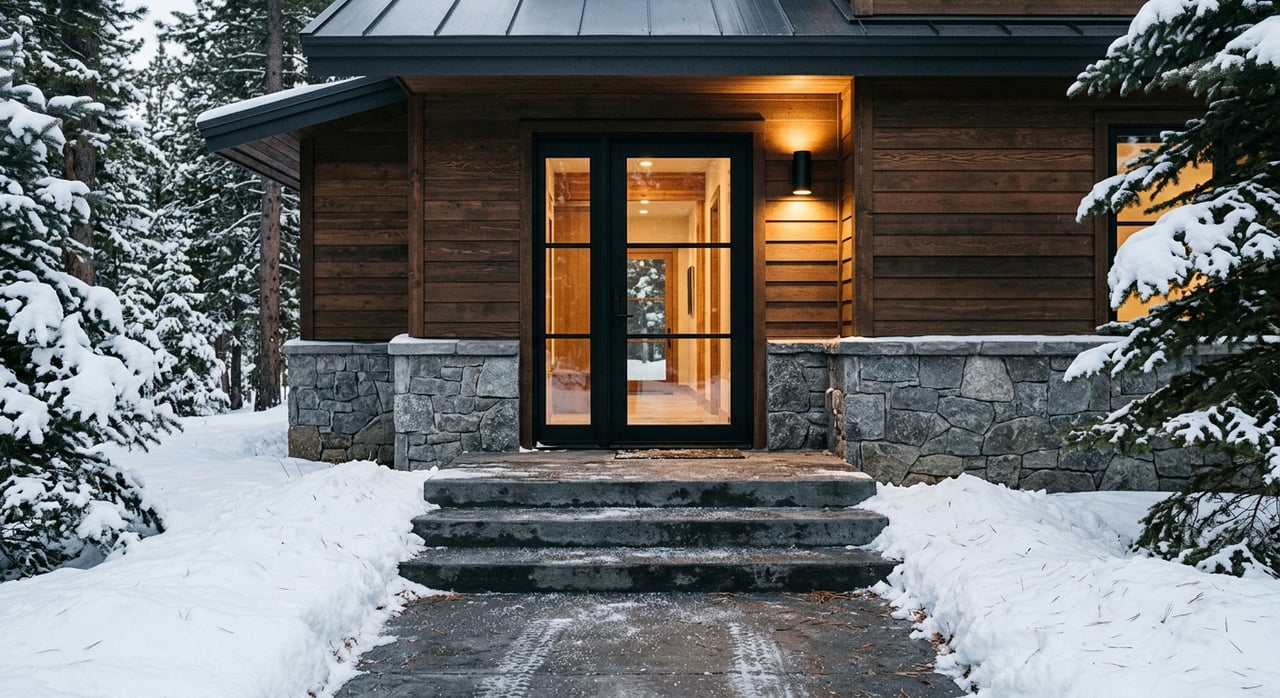
Before every showing, clear the driveway, walkway, and the path to the front door. If you have steps, make sure they are visible and navigable. In winter, buyers form quick opinions based on how safe and manageable the property feels from the moment they arrive.
Keep the approach wide and visible
Teller County notes that some routes in its varied terrain cannot be plowed by a truck and may require a grader. That is one reason it helps to keep driveway entrances wide, easy to identify, and simple to turn around in. A cramped or snow-packed approach can make even a beautiful home feel harder to access.
If possible, define the driveway edges clearly after a storm. The easier it is for visitors to enter, park, and leave without guesswork, the smoother the showing will feel.
Do not push snow onto county roads
When clearing snow, be careful where it goes. Teller County discourages pushing private snow onto county roads because snow ridges can create hazards and may damage plows. A messy plow strategy can create safety issues right before buyers arrive.
It also helps to clear the area in front of your mailbox, since the county says homeowners are responsible for that space. Small details like this support a more orderly, well-maintained first impression.
Plan for showing-day parking
Avoid blocking the right-of-way
Parking matters more in winter than many sellers expect. Teller County says that if a vehicle is blocking the right-of-way, it may be towed at the owner’s expense, and the road may not be plowed until it is removed. That is not a situation you want on showing day.
Before a showing, think through where buyers and agents can park safely without narrowing access. If your property works best with a specific parking plan, share that guidance in advance through your real estate team.
Give buyers a simple arrival experience
Your goal is to remove friction. If guests can arrive, park, and walk to the door without confusion, they are more likely to focus on the home itself rather than the weather. In winter, convenience feels like value.
A clean boot tray, a neat mudroom landing, and a shoveled entry can help reinforce that sense of order. These details are practical, but they also support the polished presentation buyers remember.
Build flexibility after a storm
Expect county-road access to take time
Teller County prioritizes arterial roads and school bus routes first, then other county roads. In severe weather, crews may work to open as many roads as possible to one-lane width. The county says in-and-out access to county roads generally comes within 24 hours after snowfall stops, depending on the severity of the storm.
That said, cleanup after a substantial storm can continue for up to a week. So if you are listing in winter, it is smart to stay flexible with showing timing. A little patience can lead to a much better buyer experience.
Set realistic showing expectations
If a storm just moved through, do not assume the area will feel fully reset the next morning. County operations focus on access and safety first, not perfect pavement. That is especially important in a mountain community where winter conditions can vary from one road to the next.
The best approach is to work with a local team that can help time showings around conditions. In Divide, winter selling is often about good planning, not rigid scheduling.
Make warmth feel safe and effortless
Use permanent heat, not quick fixes
A warm home shows better in winter, but comfort should come from the home’s heating system, daylight, and sensible preparation. Guidance from the U.S. Department of Energy supports practical steps like sealing air leaks, using daylight well, and scheduling heating-system service. Those are better solutions than relying on temporary heating tricks.
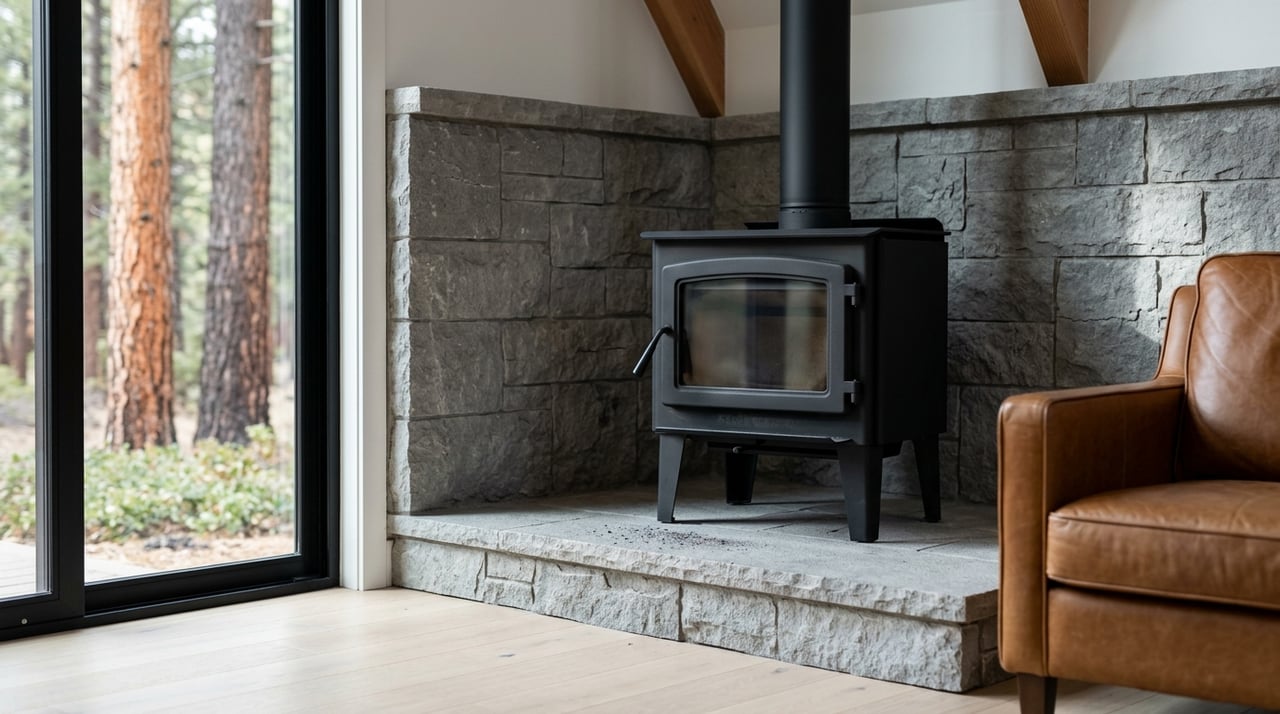
If you use a fireplace, wood stove, or pellet appliance, make sure it is clean, venting properly, and operating as intended. Keep fireplace dampers closed unless the fireplace is in use, and make sure flue vents are clean.
Be careful with space heaters
Portable heaters can create risks during winter showings. CDC and CPSC guidance says space heaters should stay at least 3 feet away from combustible materials, should not be covered, should not be plugged into extension cords, and should be turned off when people are sleeping. For listing preparation, the safest move is usually to avoid making portable heaters part of your showing strategy.
Buyers want to feel cozy, but they also notice safety. A home that feels evenly heated and well maintained creates a stronger impression than one that feels patched together.
Check smoke and carbon monoxide alarms
Winter showings often put more attention on fireplaces, heating equipment, backup power, and enclosed indoor spaces. That makes working smoke alarms and carbon monoxide alarms especially important. CDC and CPSC both warn that heating equipment can be a source of winter fire and carbon monoxide hazards.
Before listing, test alarms and replace batteries if needed. This is a simple step, but it helps reduce concerns when buyers start looking closely at winter-use features.
Use light and staging to your advantage
Let in natural light
Winter days can feel short, so brightness matters. DOE recommends opening south-facing curtains during the day to capture natural warmth and light, then closing them at night. For showings, that can help your spaces feel more inviting without adding clutter.
If you know a showing is scheduled, open up the home to daylight ahead of time when possible. A bright mountain home tends to feel cleaner, warmer, and more spacious.
Keep staging simple and low-clutter
In Divide, winter staging should feel practical as well as attractive. Warm throws, a tidy entry, clean floors, and simple lighting can make a home feel ready for mountain living. Buyers usually respond well to spaces that feel calm and easy to maintain.
Try not to overdo seasonal decor or add anything that makes rooms feel smaller. In winter, clean lines and visible function often matter more than extra accessories.
Fix winter red flags before buyers see them
Address frozen-pipe risk
Frozen pipes are a real concern in cold climates. DOE notes that pipes can burst when frozen, especially in crawl spaces, attics, and other unconditioned areas. The risk also depends on pipe location, pipe material, and insulation.
Before listing, pay attention to vulnerable areas and avoid lowering the thermostat too far. Buyers may not see every pipe, but they will notice if a home feels underheated or if there are signs of deferred maintenance.
Watch for ice dam clues
Ice dams are another issue worth addressing before photos, showings, or inspections. DOE explains that attic heat can melt roof snow, which then refreezes at the eaves and may force water back under shingles. Good air sealing, attic insulation, and ventilation can help reduce that risk.
Take a careful look for roof-edge staining, attic moisture marks, or signs of past leakage. These issues can affect buyer confidence quickly, especially in a winter showing when snow and roof conditions are top of mind.
Service heating systems and vents
Annual heating-system maintenance is one of the smartest pre-listing steps you can take. It supports comfort, helps reduce obvious performance issues, and may prevent buyers from worrying about how the home handles a cold snap. In a mountain market, buyers expect these basics to be in order.
The same goes for properly vented heating appliances. If your home has fuel-burning equipment, showing that it has been cared for helps the property feel safer and more move-in ready.
Help out-of-area buyers prepare
Mention winter driving realities
Many buyers touring Divide come from the Colorado Springs area or farther away. If the showing requires state-highway travel, winter driving conditions may matter. CDOT can activate the passenger vehicle traction law during storms, and compliant tires, chains, or approved traction devices may be required.
This is worth keeping in mind when scheduling. Even buyers with AWD or 4WD may still need the right tire tread or traction setup, so winter travel planning should be part of the showing conversation.
Focus on ease, not perfection
The best winter listings do not pretend snow does not exist. Instead, they show buyers that the property is manageable, maintained, and ready for real mountain living. In Divide, that message can be more persuasive than trying to create a summer-style showing experience in January.
Clear access, safe warmth, and attention to moisture or combustion concerns are what matter most. When those pieces are in place, your home stands out for the right reasons.
If you are getting ready to sell in Divide this winter, working with a local team can make the process much smoother. From timing showings around weather to coordinating presentation details that matter in a mountain market, The Case Advantage brings the local insight and hands-on support to help your home show at its best.
FAQs
How should I prepare a Divide driveway for a winter showing?
- Clear snow from the private driveway, walkway, and entry path, since Teller County does not plow private driveways or private roads.
How long should I wait to schedule a Divide showing after snowfall?
- Teller County says in-and-out access to county roads generally comes within 24 hours after snowfall stops, depending on storm severity, but cleanup can continue for up to a week after a substantial storm.
What winter safety items should I check before showing a mountain home in Divide?
- Test smoke and carbon monoxide alarms, confirm heating equipment is working properly, and avoid relying on risky temporary heating setups.
What roof and plumbing issues matter most for Divide winter listings?
- Frozen-pipe risk, attic moisture, roof-edge staining, and signs of ice dams are key items to address before buyers visit or inspections begin.
Do buyers driving to Divide for winter showings need special vehicle prep?
- If they are traveling on state highways during winter weather, CDOT may activate traction or chain requirements, so buyers should confirm they have compliant tires or approved traction devices.