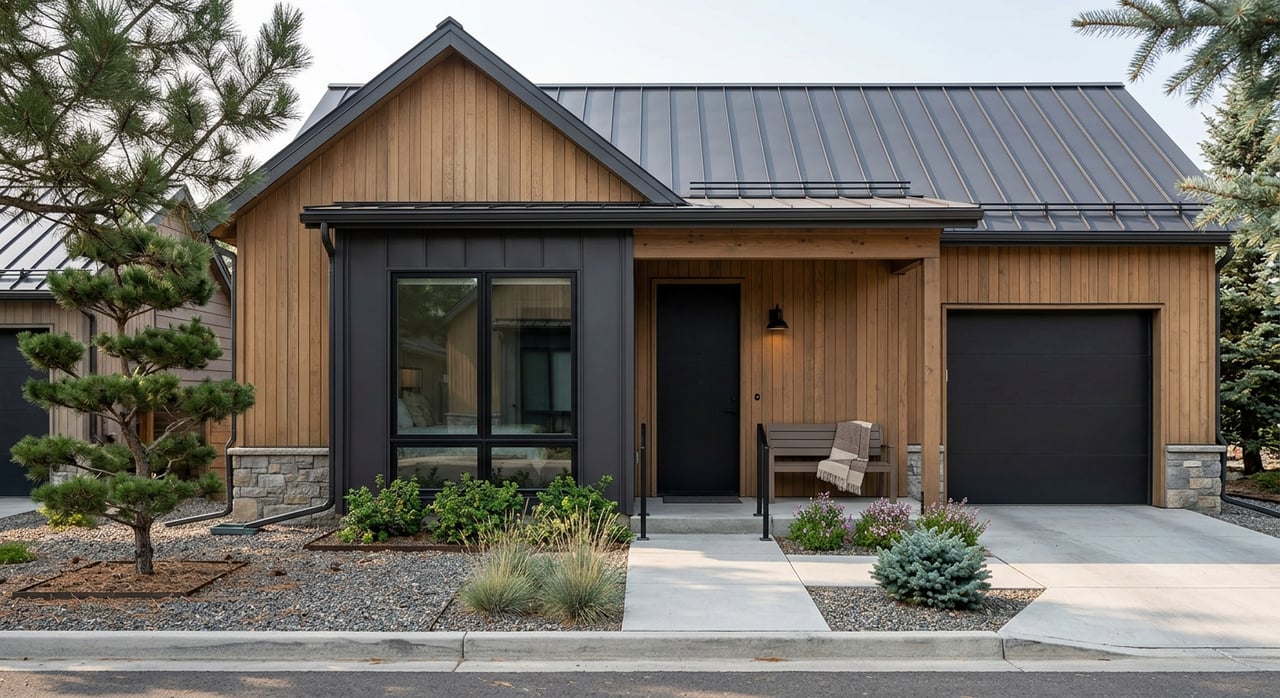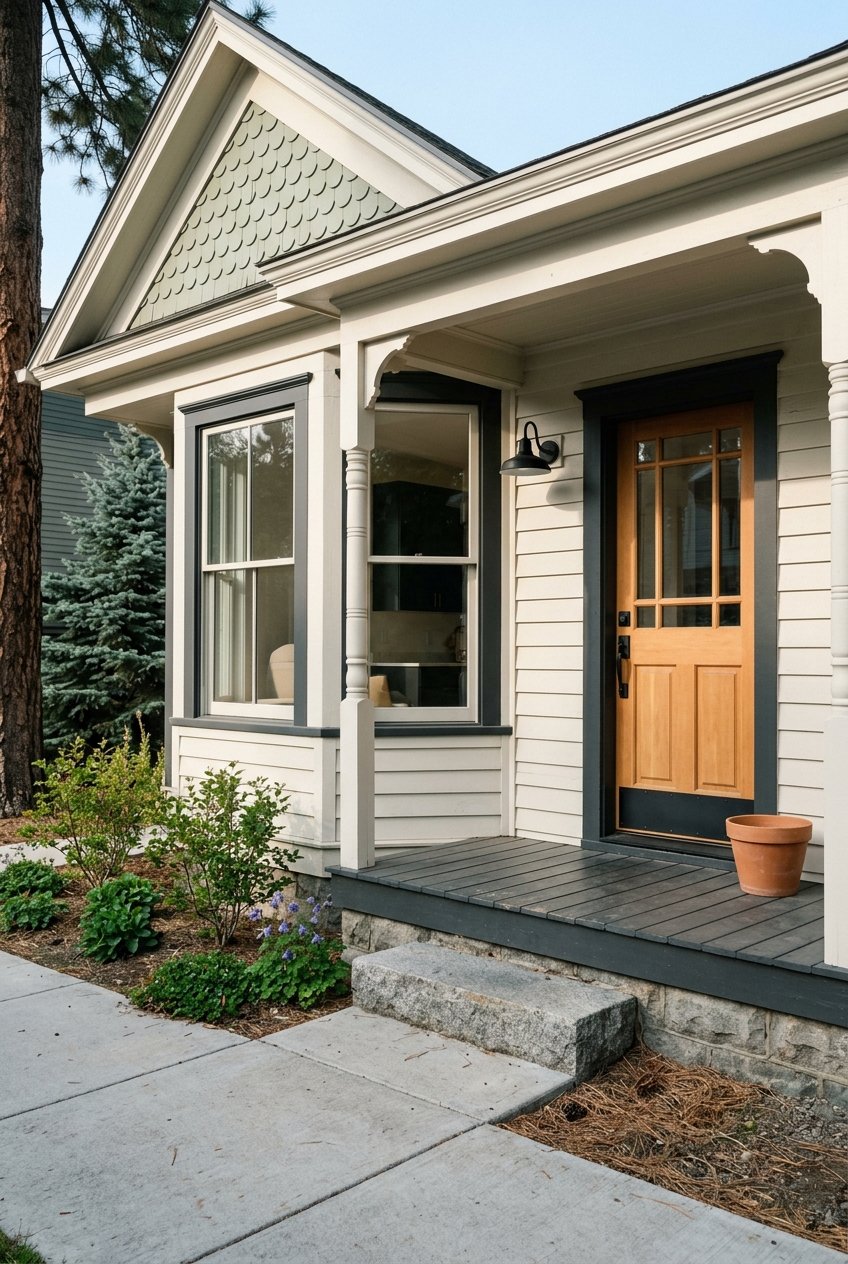
Buying in Cripple Creek can feel exciting right up until you realize one property may come with historic design review, another may allow mixed use, and a third may need extra licensing before it can produce income. If you are looking at a historic home, a downtown building, or a small investment property, you need more than charm and curb appeal. You need a clear picture of how history, zoning, and city rules can shape your options and costs. Let’s dive in.
Why Cripple Creek properties stand apart
Cripple Creek is not simply an older mountain town. The city describes it as a nationally significant gold-rush community, notes its National Historic Landmark designation in 1961, and the Cripple Creek Historic District was listed on the National Register of Historic Places in 1966.
That history still affects real estate decisions today. The city’s development code defines the period of historical significance as May 1896 through December 1910, which reflects the era when much of downtown was rebuilt in brick and stone after the 1896 fires.
For you as a buyer or investor, that means older properties may be judged on more than condition alone. Exterior character, roof form, masonry, window patterns, and overall scale can all matter when a project is reviewed.
Historic review affects renovation plans
If a property is in the B or BB zone districts, Article 3 Historic Design Guidelines may apply. The city’s code says Cripple Creek is a Certified Local Government, and preservation decisions must align with the U.S. Secretary of the Interior’s standards.
Just as important, the guidelines are not described as a rigid checklist. The city treats them as a guide for determining whether proposed work is appropriate, and approval may happen through the Code Administrator, the Historic Preservation Commission, or City Council depending on the project.
Exterior details matter most
The code favors preserving original siding and discourages covering it up. It also supports window replacements that match historic proportions and discourages vinyl or metal replacement windows.
Other design choices can also affect approval. Reflective glass is discouraged, painted brick is discouraged, and additions should stay compatible with the original structure while remaining secondary in appearance, usually toward the rear when practical.
New work must fit the setting
If you are planning a major addition or new construction, the city looks at more than just square footage. The review considers architecture, details, bulk, size, and site design in relation to nearby structures and surroundings.
That can be especially important in Cripple Creek, where a project may look workable on paper but still need revisions to better fit the area’s historic context. This is one reason early planning matters so much before you finalize budgets.
Demolition is rarely the easy answer
The code treats demolition as the least desirable option. To pursue it, an applicant must provide documentation about the building’s condition, rehab feasibility, occupancy potential, and projected return.
The code also makes clear that purchase price or the desire for a greater economic return are not valid reasons by themselves. If your investment strategy depends on tearing down and rebuilding, you need to understand that hurdle before you close.
Some buildings may not carry the same restrictions
Not every older structure is treated the same way. The code allows for a Certificate of Inapplicability for structures that do not contribute to historic character, including heavily modified buildings or some built after 1920.
That distinction can matter if you are evaluating a property that has already lost many original features. In some cases, a building that looks old may not face the same level of historic review as a more intact structure nearby.
There is also an important residential nuance. The city’s Bennett Avenue Historic District ordinance says private residences that are not used for commercial purposes are exempt, along with interior remodeling and repainting in previously approved colors. But once a residence is converted to a business or commercial venture, it becomes subject to the ordinance, so buyers should verify how the city classifies the property before assuming an exemption applies.
Zoning shapes investment potential
Historic character is only part of the equation. Zoning helps determine what you can actually do with a property, especially if you are considering mixed use, lodging, or a small commercial component.
The B Downtown district is intended for regional businesses and applies along Bennett Avenue, Carr Avenue, and Myers/Masonic Avenue. It supports uses such as retail, service, lodging, entertainment, and office.
The BB Neighborhood Mixed Use district is intended for community-wide business, financial-service, and professional uses with moderate-scale mixed-use development. For many buyers, the difference between B and BB can influence both flexibility and project scale.
Mixed-use buildings offer flexibility
The code allows mixed-use building types in both B and BB. First floors can hold office, lodging, retail, industrial, or parking, while upper floors can hold residential, office, lodging, or parking.
That creates interesting possibilities for a buyer who wants residential space above a business or income-producing use below. The same code table shows no residential-use limits in B and BB mixed-use buildings.
Lodging is also allowed in both districts. In BB, there is a 60-bedroom cap, while B has no bedroom cap listed in the same table.
Home occupations are much narrower
If your plan is to live in the home and run a very small business from it, that is a different category. The city’s home-occupation rules require the business to remain incidental to the residence, avoid nuisance conditions, and hold a valid city business license.
That means a true mixed-use investment and a home occupation are not the same thing. If your business plan depends on customer traffic, expanded operations, or lodging, you will want to verify that the property is zoned and approved for the use you actually intend.
Parking can change the numbers
Parking is one of the easiest details to underestimate. In Cripple Creek, it can directly affect whether a use works as planned and whether your site needs additional changes.
The code allows office and retail uses to count adjacent on-street parking. In the B district, parking may also be provided off-site in B, BB, or R3/4.
Some Bennett Avenue properties between 5th Street and A Street are exempt from parking-space counts for non-gaming commercial and non-commercial uses. The code also allows shared-parking reductions for mixed-use development, which can improve feasibility for certain projects.
If you are comparing two similar buildings, parking may be the factor that changes which one makes more sense financially. It is worth confirming early rather than treating it as a detail to solve later.
Rentals and licensing require early due diligence
If your plan involves rental income, licensing matters. The city requires a business license for all businesses inside city limits.
For 2026, the annual fee is $150 for a new license, $75 for the second year, and $25 thereafter. The city also states that all short-term rentals within city limits must be licensed, and the business-license application notes that short-term rental properties also need a separate short-term rental permit.
The city also notes a strict proximity enforcement policy for short-term rentals. If you are buying for vacation rental income, this is not an area to leave to assumptions.
A pre-application meeting should be part of your plan
Cripple Creek requires a pre-application meeting for all development proposals. If you are thinking about exterior changes, additions, use changes, or commercial conversion work, this meeting should happen before you lock in construction pricing or commit to a final game plan.
That conversation can help you spot issues with zoning, parking, design review, or permitting before they become expensive surprises. It is one of the simplest ways to protect your timeline and budget.
A smart checklist before you buy
If you are evaluating a historic home or investment property in Cripple Creek, keep your due diligence focused on the issues most likely to affect use, cost, and approval.
- Confirm the parcel’s zoning district.
- Verify whether the building is in the B or BB districts where historic guidelines apply.
- Ask whether the structure is contributing, noncontributing, or may qualify for a Certificate of Inapplicability.
- Clarify whether your intended use is residential, mixed use, lodging, home occupation, or short-term rental.
- Review parking requirements and whether on-street, off-site, or shared parking options may apply.
- If rentals are part of the plan, confirm business licensing and whether a separate short-term rental permit is required.
- Schedule the required pre-application meeting before finalizing renovation or conversion budgets.
Why local guidance matters in Cripple Creek
In a market like Cripple Creek, two properties with similar price points can come with very different opportunities and restrictions. A home that looks like a simple fixer-upper may involve historic considerations, while a downtown building may offer more flexibility than you expect if zoning, parking, and use align.
That is why local insight matters. When you understand how historic status, zoning, licensing, and review processes work together, you can make cleaner decisions and avoid buying based on assumptions.
If you are considering a historic home, mixed-use property, or investment opportunity in Cripple Creek, The Case Advantage can help you evaluate the property, the location, and the practical next steps with local perspective and responsive support.
FAQs
What makes historic homes in Cripple Creek different from other older homes?
- Cripple Creek’s historic significance and development code mean some properties are reviewed for exterior character, materials, scale, and compatibility, not just basic condition.
What zoning districts in Cripple Creek commonly affect historic and mixed-use properties?
- The B Downtown and BB Neighborhood Mixed Use districts are especially important because they can trigger historic design guidelines and allow mixed-use building types.
What exterior changes on a Cripple Creek historic property may face extra review?
- Projects involving siding, windows, masonry, additions, major exterior changes, or new construction may be reviewed for compatibility with the building and surrounding historic context.
What should short-term rental buyers in Cripple Creek verify first?
- You should confirm business-license requirements, whether a separate short-term rental permit is needed, and how the city’s strict proximity enforcement policy may affect the property.
Why is parking so important for Cripple Creek investment properties?
- Parking can affect whether a commercial, lodging, or mixed-use plan is feasible, and the code includes specific rules for on-street, off-site, exempt, and shared-parking situations.
When should a buyer schedule a pre-application meeting in Cripple Creek?
- You should schedule it early, before committing to permits, final construction pricing, or a major renovation or conversion plan, because the city requires it for development proposals.