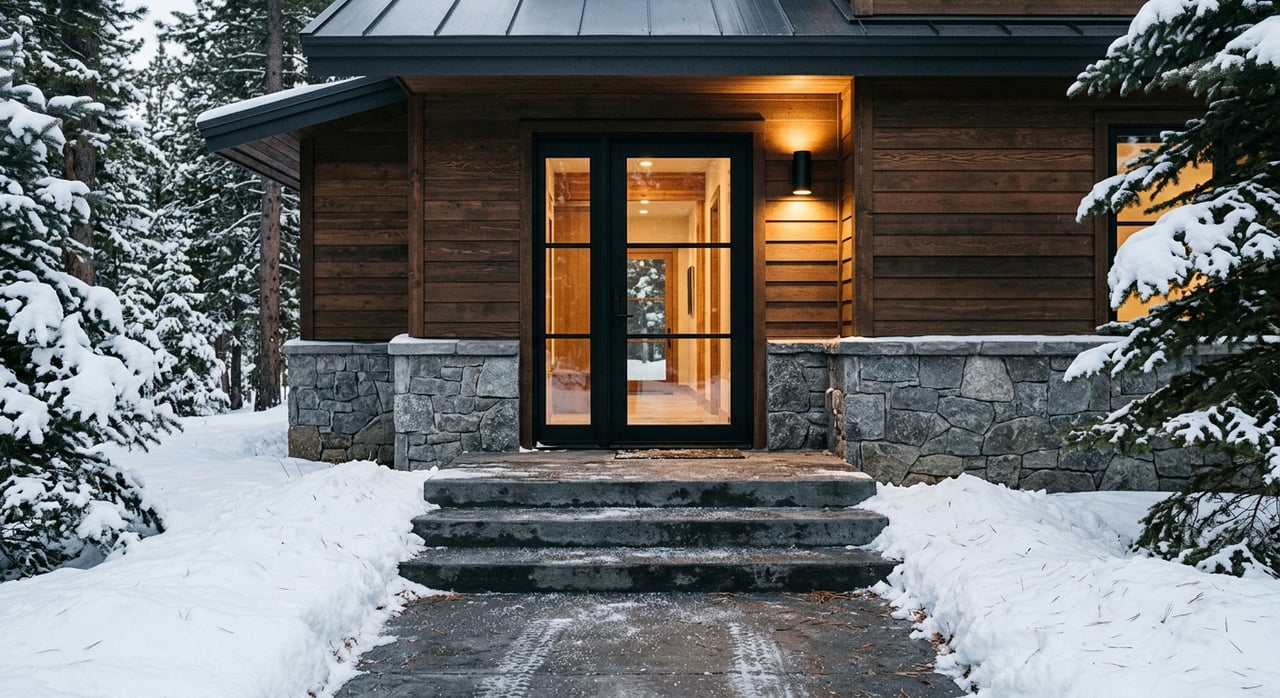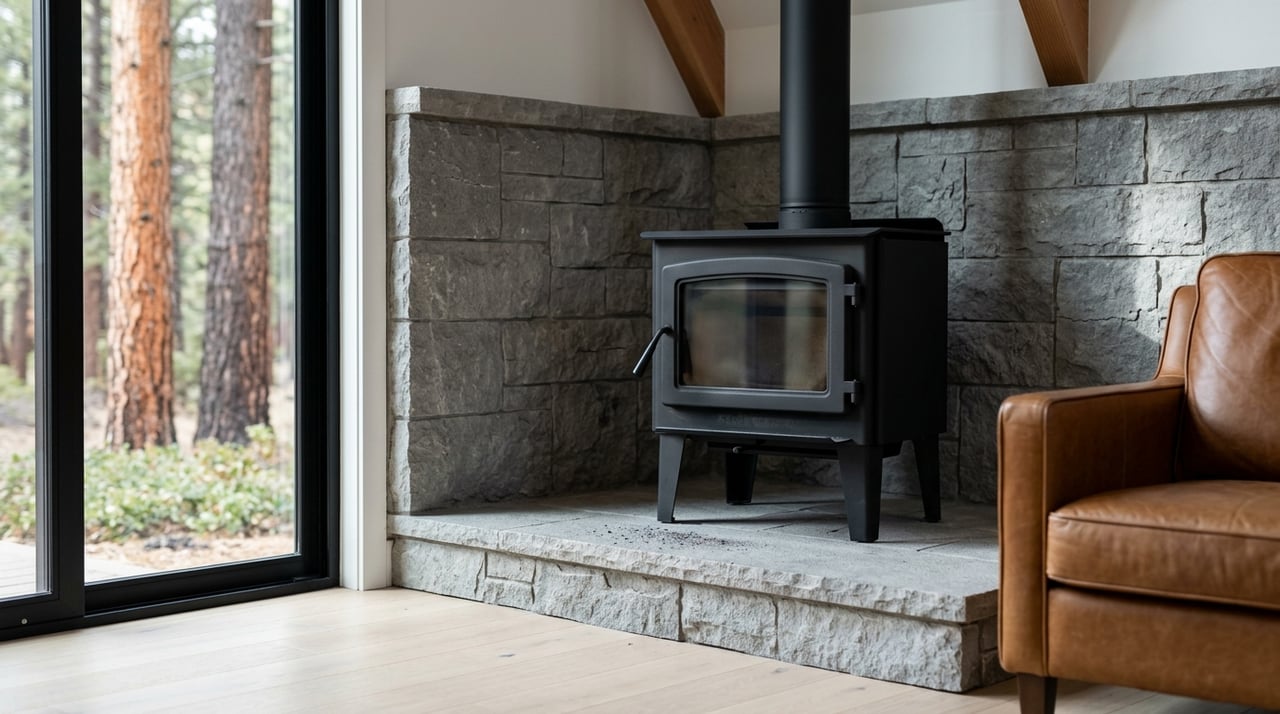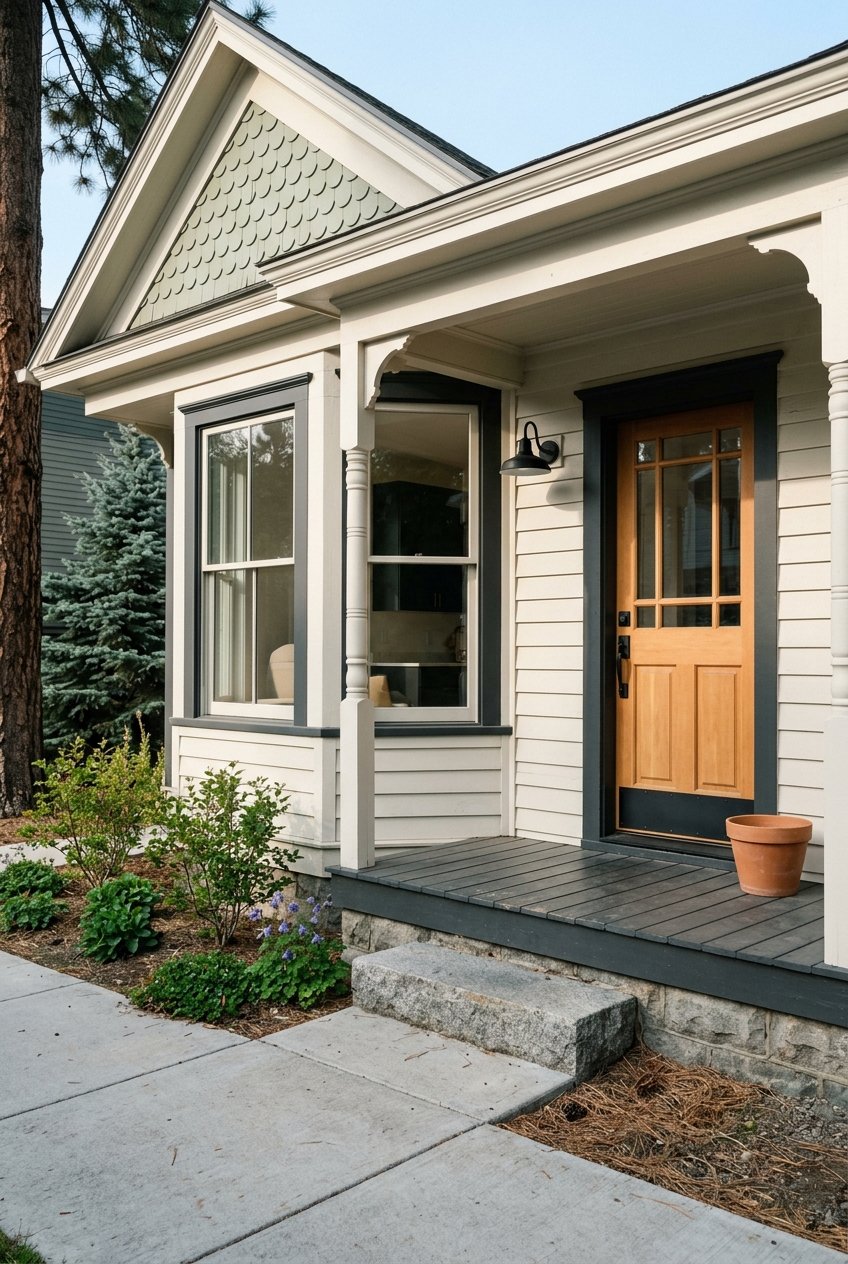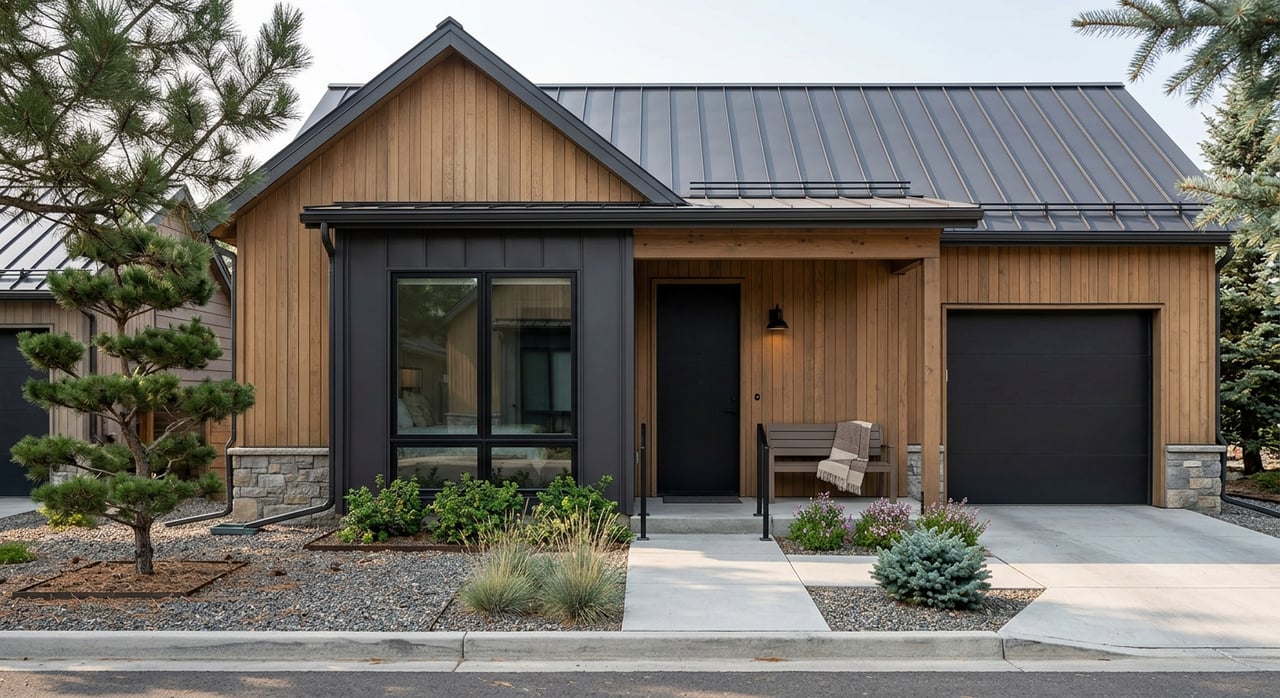
If you love the idea of spending more time enjoying Woodland Park and less time shoveling, mowing, or managing a large property, low-maintenance living can be a smart fit. Many buyers here want a simpler home base without giving up mountain access, downtown convenience, or the lifestyle that brought them to Teller County in the first place. The key is knowing what “low maintenance” really means in a mountain town, and where the tradeoffs show up. Let’s dive in.
Low-Maintenance Options in Woodland Park
Woodland Park offers a real, but relatively limited, supply of low-maintenance homes. Current local inventory includes townhomes and condos, along with detached homes on smaller lots. That gives you more than one path if your goal is less exterior work and a more manageable footprint.
Townhomes are one of the clearest options for buyers who want to reduce day-to-day upkeep. Realtor.com currently shows 16 townhomes in Woodland Park, and some sit on very small lots. That setup can appeal to downsizers, second-home buyers, and anyone who would rather spend time on the trails than on yard work.
Condos are available too, though in smaller numbers. Current Woodland Park condo listings total three units, ranging from 613 to 1,012 square feet. For many buyers, that smaller footprint naturally means less cleaning, less maintenance, and fewer ongoing chores.
Detached homes can also fit the low-maintenance lifestyle. Some Woodland Park single-family listings sit on smaller lots, and local search filters include low-HOA and no-HOA options. If you want fewer outdoor responsibilities without moving into attached housing, that can be an important middle ground.
Why Buyers Choose This Lifestyle
In Woodland Park, low-maintenance living is often less about giving something up and more about gaining time. The city highlights Pikes Peak views, hiking trails, parks, and outdoor recreation, and that helps explain why some buyers are happy to trade a larger yard for a simpler routine. A smaller property can free you up to enjoy more of what makes this area special.
This lifestyle can work especially well if you are downsizing, buying a second home, or relocating from a busier market and want an easier setup. It can also appeal if you travel often or simply do not want the weekend workload that comes with a larger lot. Still, lower maintenance does not mean no responsibility.
HOA Costs and Rules Matter
If you are considering a townhome, condo, or patio-style home, the HOA deserves a close look. In Colorado, HOA relationships are contractual and governed by state law and the association’s own documents. The Colorado HOA Center also estimates that about 46% of Colorado’s population lived in a common interest community at the end of 2024, so this is a common part of homeownership across the state.
Your first question should be simple: what do the dues actually cover? Regular dues may help pay for operations and shared upkeep, but special assessments can also happen. Dues may also be raised as needed to meet the annual budget unless the governing documents place limits on increases.
You should also confirm how maintenance and landscaping are handled. Colorado says HOA boards generally have broad discretion over how and when maintenance is performed. That means you should not assume every task will be handled immediately or to your personal standard.
Insurance is another important piece, especially in attached-home communities. Colorado requires certain communities formed after July 1, 1992 to maintain property and liability insurance to the extent reasonably available. It is also wise to find out whether the community is self-managed or professionally managed, since that can affect communication, maintenance coordination, and overall operations.
Review HOA Documents Before You Offer
One of the most important due-diligence steps is reviewing the governing and financial documents tied to the HOA. In Colorado, the documents listed in section 7 of the Colorado Contract to Buy and Sell can help show how the association operates, what it maintains, and whether there are reserve or assessment concerns. Those details can tell you a lot about whether a property truly fits your goals.
When you review these documents, focus on practical ownership questions, not just the monthly dues. You want to understand what the HOA maintains, what stays your responsibility, and whether there are signs of financial strain. A home that looks easy on the surface may come with rules or future costs you did not expect.
Woodland Park Maintenance Is Different
Even when a home is marketed as low maintenance, Woodland Park ownership still comes with mountain-town realities. Snow, road access, utility lines, and wildfire readiness all matter here. That is why local details are just as important as the floor plan.
Snow Removal and Road Access
The City of Woodland Park says it begins plowing after 4 inches of snow has accumulated and works to keep 62 miles of roadway accessible. It also states that it plows all public roads within city limits, but not county or state roads. Residents also should not plow driveway snow into or across a public street or sidewalk.
For buyers, that means road responsibility is a real due-diligence item. A home on a city street may have different snow-removal expectations than a property on a county road or private road. Before you buy, it is worth confirming exactly what type of road serves the property and who handles winter access.
Utility Responsibilities
Low-maintenance living does not automatically remove exterior infrastructure responsibilities. Woodland Park’s utilities guidance says sewer service lines are owned and maintained by the property owner from the facility to the public sewer main. In plain terms, you may have less yard to manage but still be responsible for important systems outside the home.
That is an important distinction for buyers who assume a smaller property means fewer ownership obligations across the board. The lot may be smaller, but some maintenance duties still stay with you. Knowing that upfront can help you choose the right fit.
Wildfire Mitigation Still Counts
Wildfire readiness is another major part of owning property in the Woodland Park area. The Colorado State Forest Service says homeowners, landowners, and communities bear the ultimate responsibility for protecting themselves from wildland fire. Recommended steps include clearing excess fuel, creating defensible space, and following Firewise practices.
This is not a niche concern in the local market. The Woodland Park office notes that there are more than 50 Firewise USA communities in the area, which shows how common mitigation efforts are here. Teller County also maintains official fire-information and emergency guidance resources, making it smart to ask what expectations apply to a specific property or community.
How to Tell if It Fits You
The best low-maintenance home is not necessarily the one with the smallest yard or the lowest dues. It is the one that reduces the kind of work you do not want, while keeping the responsibilities you are comfortable managing. That balance looks different for every buyer.
If you are comparing options, start with a few practical questions:
- What do the HOA dues cover?
- Are special assessments possible?
- Who handles snow removal and landscaping?
- Is the home attached or detached?
- Is the property on a city street, county road, or private road?
- What wildfire mitigation or defensible-space expectations apply?
- Which utility lines or exterior systems remain owner-maintained?
These questions can help you look past the listing description and understand the actual ownership experience. In Woodland Park, that matters. A home can absolutely be easier to maintain, but it should still match your expectations for time, cost, and responsibility.
A Smart Fit for Many Buyers
Woodland Park’s low-maintenance market works best when you view it as a balance, not a shortcut. You may get less yard work, less exterior labor, and a more manageable home, but you still need to pay attention to HOA rules, snow logistics, utility responsibilities, and wildfire readiness. When you understand those pieces, you can buy with much more confidence.
If you are exploring townhomes, condos, patio-style homes, or smaller-lot properties in Woodland Park, local guidance makes a difference. The details that shape everyday ownership here are specific to the area, and they can change how a home feels after move-in. If you want help narrowing your options and understanding what low-maintenance living really looks like in this market, The Case Advantage is here to help.
FAQs
What types of low-maintenance homes are available in Woodland Park?
- Woodland Park currently offers townhomes, a small number of condos, and some detached homes on smaller lots, giving you several ways to reduce day-to-day upkeep.
What should buyers know about HOA living in Woodland Park?
- Buyers should review what dues cover, whether special assessments are possible, how maintenance is handled, and what the governing and financial documents say about the association’s operations.
Does low-maintenance living in Woodland Park mean no outdoor responsibilities?
- No. Even with a smaller lot or shared maintenance, you may still be responsible for items like sewer service lines, wildfire mitigation, or access considerations tied to the property.
How does snow removal affect low-maintenance homes in Woodland Park?
- Snow removal depends in part on whether the property sits on a city street, county road, or private road, so it is important to confirm who handles winter access before you buy.
Why is wildfire mitigation important for Woodland Park homeowners?
- The Woodland Park area faces ongoing wildland fire risk, and the Colorado State Forest Service recommends defensible space, fuel reduction, and Firewise practices as part of responsible ownership.