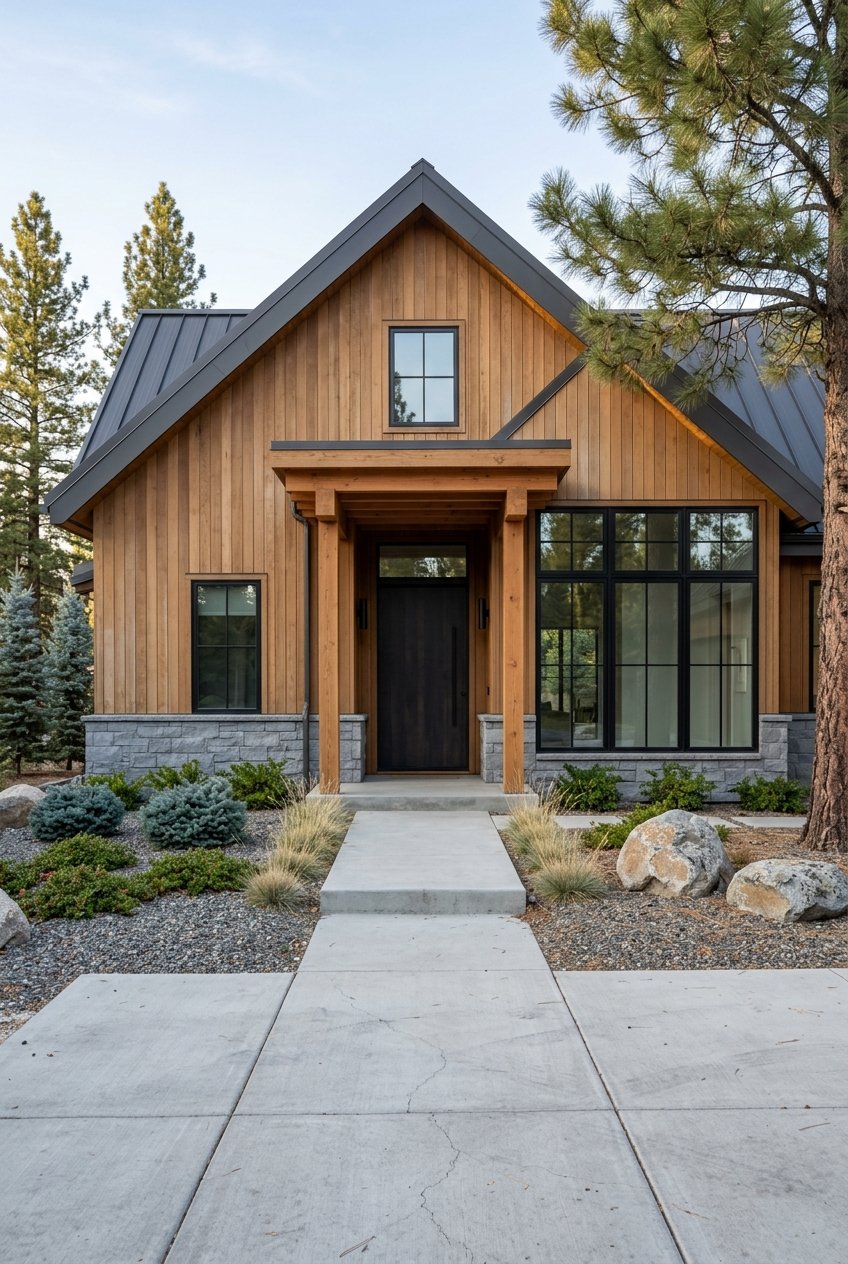
If you are planning to sell your Woodland Park home, the market is asking for more strategy than speed. Buyers have options right now, and that means your pricing, prep, and launch plan matter from day one. The good news is that with the right steps, you can still stand out, attract serious interest, and protect your bottom line. Let’s dive in.
Understand the Woodland Park market
Woodland Park is currently leaning buyer-friendly, which changes how you should approach your sale. In March 2026, local data showed 202 homes for sale, a median listing price of $594,000, and a median of 46 days on market. Homes were also selling for about 1.61% below asking on average, with a sale-to-list ratio around 98%.
That does not mean homes are not selling. Teller County data for March 2026 showed a median sale price of $495,000, up 6.5% year over year, and 13.2% of homes sold above list price. The key takeaway is simple: buyers are still willing to compete for the right property, but they are more price-sensitive than they were in a stronger seller's market.
Start planning before listing day
One of the biggest mistakes sellers make is treating listing day like the start of the process. In reality, your success often depends on what you do in the weeks before your home goes live. That is especially true in a mountain market like Woodland Park, where weather, exterior condition, and seasonal presentation can shape buyer first impressions.
National 2026 guidance pointed to mid-April as a strong listing window, but timing still depends on your local conditions and how prepared your property is. If you want to hit the market at the right moment, your repairs, cleaning, records, and marketing assets should already be in place.
Focus on mountain-specific home prep
In Woodland Park, pre-listing prep should go beyond paint touch-ups and decluttering. Buyers often pay close attention to how a mountain property has been maintained, especially when it comes to wildfire risk, access, and major systems. Preparing those items early can help your home feel more move-in ready and easier to evaluate.
Prioritize wildfire mitigation
The Colorado State Forest Service says the two main factors in wildfire survival are structural ignitability and defensible space. Its guidance recommends starting at the home itself and then working outward through the home ignition zone.
That can include:
- Clearing debris from roofs and gutters
- Screening vents
- Checking clearance under siding
- Addressing combustible fencing near the home
- Improving defensible space in the 0 to 5 foot zone
- Managing vegetation in the 5 to 30 foot zone
- Reducing risk in the 30 to 100 foot zone
This matters locally because Teller County's 2025 Community Wildfire Protection Plan was created to identify countywide wildfire risk and recommend ways homeowners can reduce structural ignitability. If you have already completed mitigation work, gather those records early. Colorado also offers a wildfire mitigation income tax credit for qualifying out-of-pocket expenses incurred from 2023 through 2027.
Gather permits and property records
If you have completed work on your home, now is the time to organize the paperwork. Teller County's Building Division handles permits and inspections in unincorporated areas, including items like re-roofing, driveway and access work, septic, decks, detached garages, remodels, basement finishes, and additions.
Having those records ready can make your listing feel more complete and can reduce delays once a buyer starts asking questions. Teller County's property records system also includes building information and permit details, making it a practical starting point for verification.
Prepare septic records early
If your property uses an onsite wastewater treatment system, do not wait until you are under contract to track down documents. Teller County maintains OWTS regulations and has a specific amendment related to transfer of sale.
That means you should gather septic permits, maintenance records, and any county file-search materials well before listing. In a market where buyers are taking a closer look, complete documentation can support a smoother transaction.
Choose updates that actually help
A successful sale does not always require a major remodel. In many cases, targeted improvements do more for your outcome than expensive projects with uncertain return. In a buyer-friendly market, the goal is to improve condition, reduce objections, and present clear value.
Visible maintenance should come first. If buyers notice deferred upkeep right away, they may assume larger issues exist behind the scenes. Cleanliness, fresh touch-ups, and a well-cared-for exterior often do more than overly personalized upgrades.
For mid- to upper-price homes, buyers also tend to notice features that read clearly online. Energy-efficient upgrades, flexible spaces for a home office or guests, smart-home features, and usable outdoor areas can all help support value when they are presented well.
Use staging strategically
Staging can help buyers connect with your home faster, but it does not have to be all or nothing. According to the National Association of Realtors' 2025 Profile of Home Staging, 29% of agents said staging increased dollar value offered by 1% to 10%. The same report found that 49% said staging reduced time on market, and 83% of buyers' agents said staging made it easier for buyers to visualize a property as a future home.
The median staging spend when using a staging service was reported at $1,500. That supports a focused approach rather than a full-house overhaul.
Stage the rooms that matter most
If you want the biggest impact, prioritize the areas buyers notice first and remember longest. Common high-value spaces include:
- Living room
- Primary bedroom
- Kitchen
- Dining room
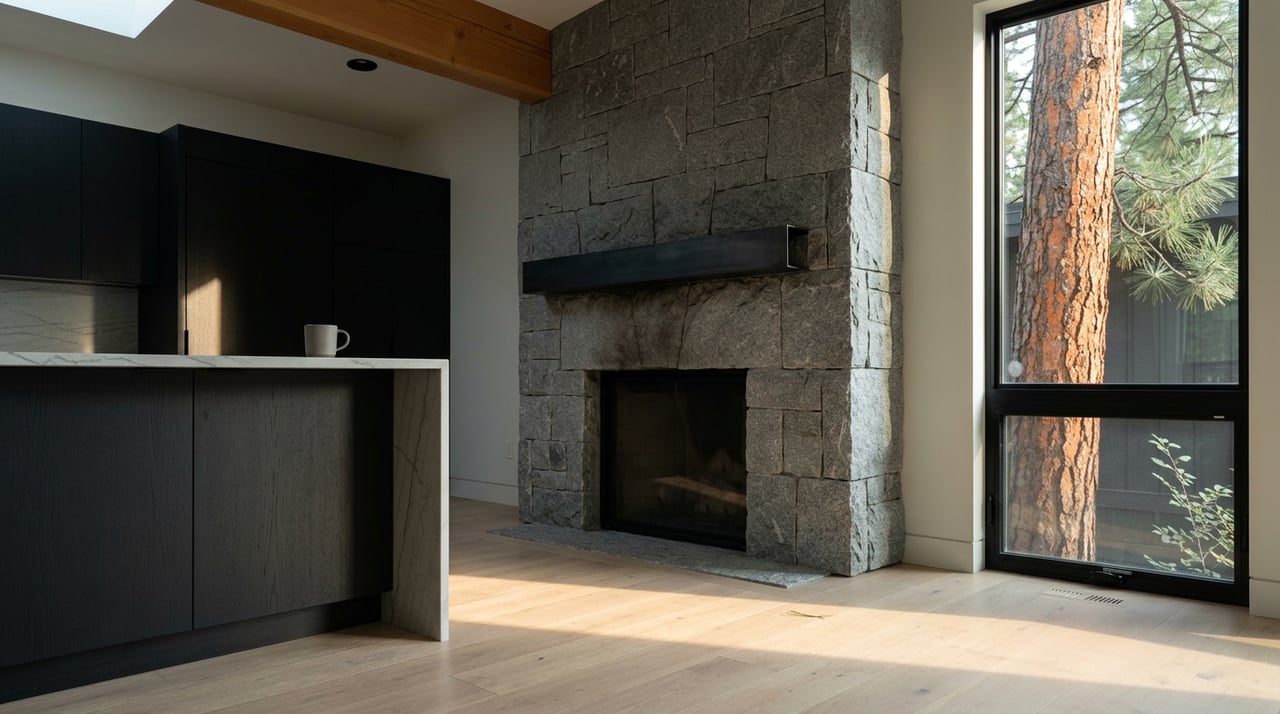
In a Woodland Park home, it also helps to highlight natural light, outdoor access, and flexible living spaces. Thoughtful staging should support the home's layout and setting, not distract from them.
Price for the market you have
In a buyer-friendly market, pricing is not the place to test optimism. Your list price should be grounded in recent sold comparables, current competition, and the condition of your property. If the number is too aggressive, buyers may scroll past your listing or wait for a reduction.
Realtor.com's June 2026 price-discovery analysis found that homes closing about four weeks after listing tend to achieve the best sale-to-list ratio. It also found that homes sitting longer are less likely to sell above their initial list price. That makes early pricing accuracy especially important.
Why overpricing can backfire
Woodland Park's current market data already shows some discounting from list. With homes averaging about 1.61% below asking and a 98% sale-to-list ratio, a high starting price can weaken your position rather than strengthen it.
When a home lingers, buyers often assume something is wrong or that the seller will need to negotiate. A well-priced home has a better chance of creating early interest, which can give you more leverage during offer discussions.
Pricing higher-end properties
If you are selling a mid- to upper-market home, pricing discipline matters even more. Softer conditions in move-up and entry-level luxury segments mean buyers are looking carefully at value.
To support a stronger list price, your home needs fresh comparable sales, polished presentation, and features buyers can recognize quickly. Condition, professional marketing, and online visibility all become part of the pricing story.
Build a strong launch package
Today, most buyers begin online, so your first showing often happens on a screen. The National Association of Realtors reports that 52% of buyers found the home they purchased online, and 81% rated listing photos as the most useful feature in their search.
That means your marketing assets should be accurate, polished, and designed to create confidence. Strong visuals can increase interest, but overpromising can hurt you once buyers arrive in person.
Use honest, high-quality visuals
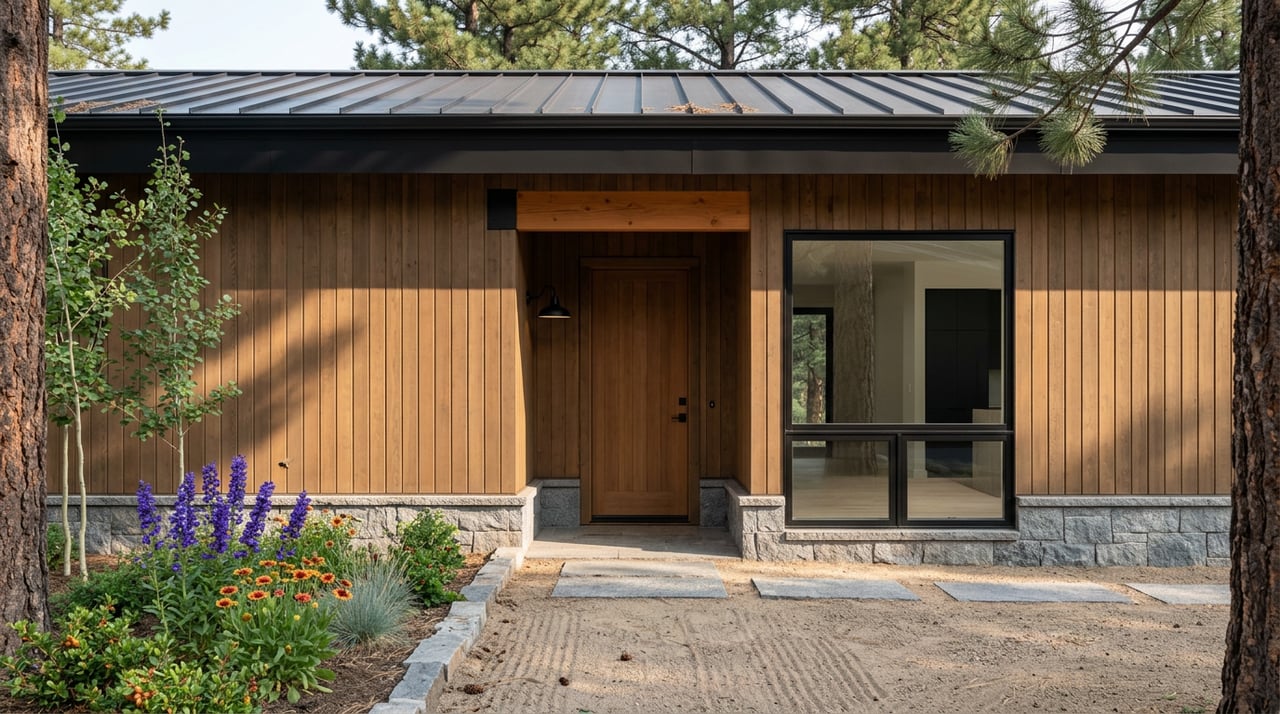
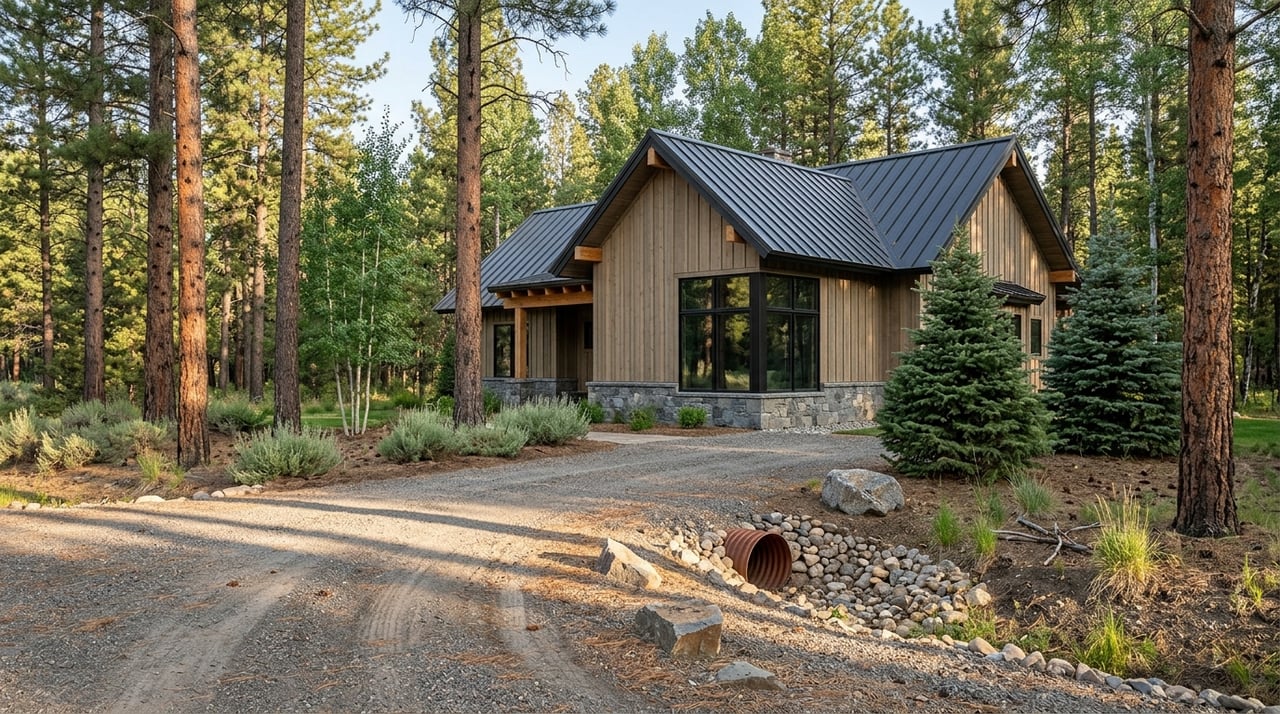
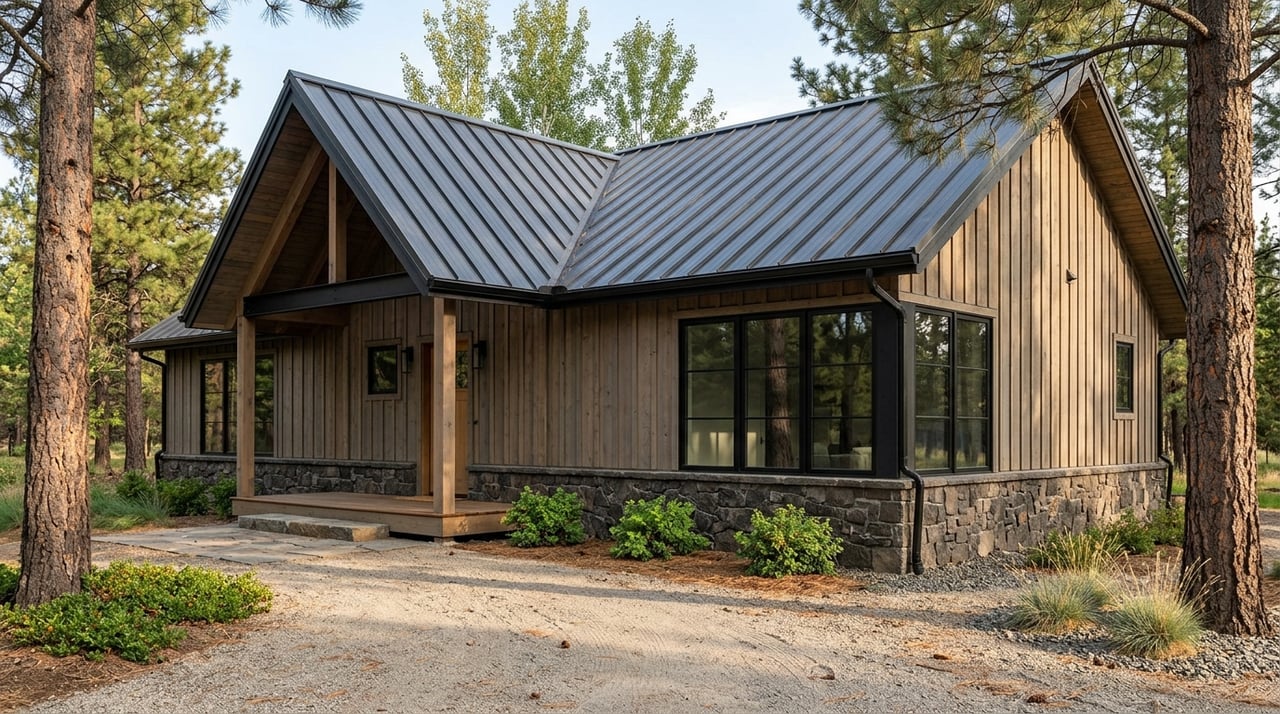
Professional photography should be a core part of your launch plan. In Woodland Park, exterior shots, trees, views, and outdoor living areas can be a major part of the home's appeal, so those images need to be handled thoughtfully.
Season also matters in a mountain market. A property may show very differently in winter, summer, or shoulder seasons, so the timing of photos can affect how buyers perceive curb appeal and outdoor usability.
Create early demand
A strong offer strategy starts before the first showing. In a market where buyers have choices, the goal is to generate enough immediate attention that you are not waiting for momentum to build slowly.
That takes coordination across pricing, prep, staging, photography, and listing presentation. With 91% of sellers using a real estate agent according to NAR's 2025 Profile of Home Buyers and Sellers, it is clear that most sellers see value in a structured plan rather than trying to piece one together on their own.
Follow a practical sale plan
If you want a smoother sale, keep the process simple and organized. A clear plan helps you avoid rushed decisions and missed details.
Here is a smart sequence to follow:
- Review the current Woodland Park and Teller County market
- Walk the property with a prep checklist
- Tackle wildfire-related exterior items first
- Complete visible maintenance and touch-ups
- Gather permit, roof, deck, driveway, and septic records
- Stage priority rooms and refine the layout
- Take professional listing photos at the right seasonal moment
- Price from recent sold comparables, not guesswork
- Launch with a complete marketing package
- Monitor feedback and respond quickly if adjustments are needed
Selling in Woodland Park can be both rewarding and nuanced. When you match local market data with mountain-specific prep and a polished launch, you put yourself in a much better position to attract serious buyers and move forward with confidence.
If you are thinking about selling, The Case Advantage can help you create a smart, locally grounded plan that fits your property, timing, and goals.
FAQs
When is the best time to list a home in Woodland Park?
- Mid-April was highlighted in national 2026 guidance, but in Woodland Park the best timing depends on your prep, pricing, weather, and how your property shows during the season.
What should Woodland Park sellers fix before listing?
- Start with wildfire-related exterior issues, visible maintenance, and records for improvements like roofing, decks, driveway or access work, and septic documentation if applicable.
How much staging does a Woodland Park home sale need?
- Many sellers benefit from focused staging in the living room, primary bedroom, kitchen, and dining room rather than a full-home redesign.
How should I price a higher-end Woodland Park home?
- Use recent sold comparables and support your price with strong condition, professional presentation, and features buyers can immediately recognize online.
Why do permits and septic records matter in a Teller County home sale?
- Organized records can make buyers more comfortable, answer common due diligence questions faster, and help reduce avoidable delays during the sale process.