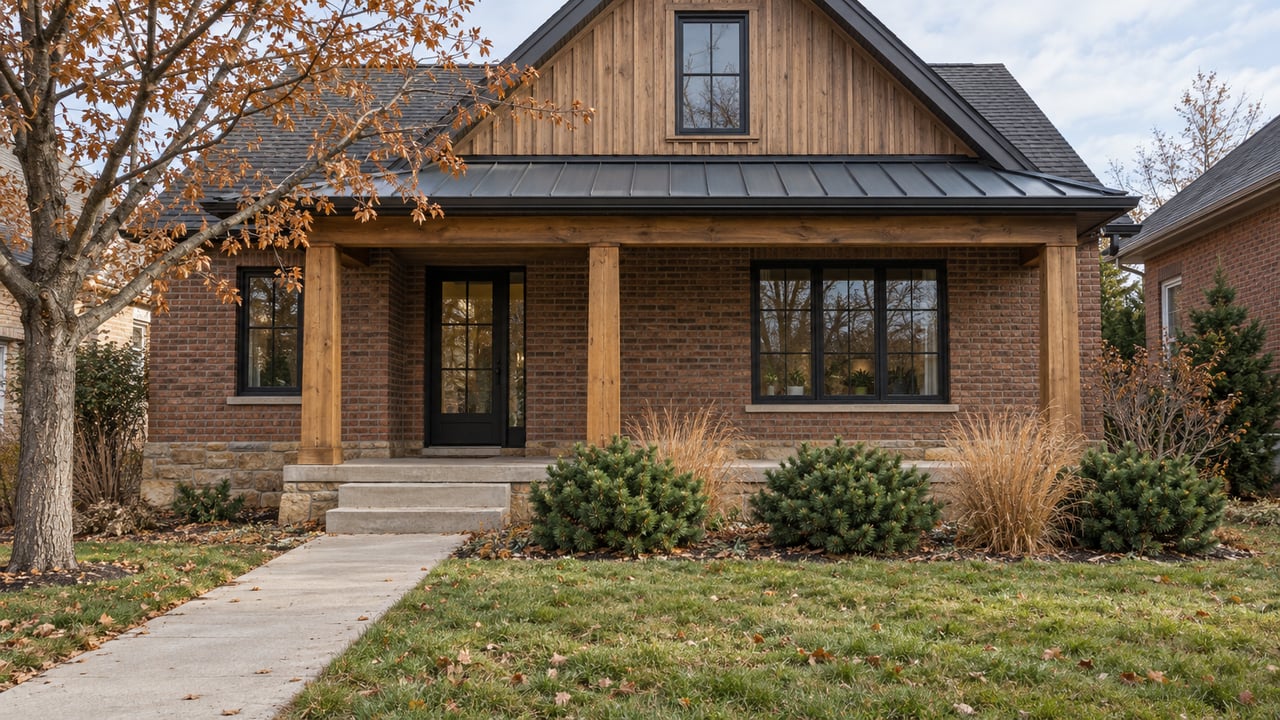
Picture the plan. You close on a place near the Broadmoor area or off North Nevada Avenue sometime this fall, list it before the holidays, and let the Pikes Peak visitor traffic cover the mortgage. That plan has worked for plenty of owners in Colorado Springs. What's changed since last year is that two separate compliance systems, one run by the city and one by the state, now decide whether your property gets taxed and permitted like a house or like a hotel. Neither system cares about your closing date. Both care about a date on the calendar that has nothing to do with real estate at all: November 15, the affidavit deadline identified by IamHoste.
That's the deadline for the first annual affidavit under House Bill 24-1299, the state law that reclassifies certain short-term rentals as commercial lodging property for tax purposes. It sits on top of a city audit program that's been quietly checking whether STR owners actually live where they say they do. Buyers who treat the short-term rental permit as the finish line are missing the two systems that actually determine what they own once the ink dries.
The Permit Was Always the Easy Part
Getting a short-term rental permit from the City of Colorado Springs is straightforward on paper. You submit a checklist, pay an annual fee of $124.95, as listed by Comparent Regulations. The application splits owners into two lanes: owner-occupied, meaning you physically live in the property at least 185 days a year, as the City of Colorado Springs explains, and non-owner-occupied, meaning everyone else.
None of that is unusual for a licensing process. What makes it just the opening step is what happens after you're approved.
The Program That Checks Whether You Actually Live There
In February 2025, Colorado Springs launched what the city refers to as its Primary Residency Audit Program. The mechanics are simple: the city cross-references STR permit addresses against utility records and tax filings to confirm that owner-occupied permit holders are genuinely occupying the property, not just claiming to. Where the cross-check turns up a mismatch, the city sends a letter, and in confirmed cases, has revoked the permit outright.
For a local owner renting a spare room, this is background noise. For an out-of-state buyer planning to manage the property remotely while claiming owner-occupied status, it's the first real filter. The city isn't asking you to promise you live there. It's checking your utility bills.
Two Systems, Two Different Definitions of "Investment Property"
The audit program and the state's tax law aren't the same mechanism, and they don't check the same thing. Understanding the difference matters because clearing one does not clear the other.
| City Primary Residency Audit Program | State Property Tax Law (HB24-1299) | |
|---|---|---|
| What it checks | Whether an owner-occupied STR permit holder actually lives at the property | Whether an STR was rented short-term more than 90 days in the prior tax year and isn't the owner's primary or secondary residence |
| Who it targets | Non-resident owners holding owner-occupied permits | Any owner, regardless of permit status, whose usage pattern crosses the 90-day line |
| Trigger | Utility and tax record mismatch | Annual self-reported affidavit to the county assessor |
| Consequence | Permit revocation | Reclassification to "lodging property," a nonresidential subclass |
| Filing or deadline | Ongoing, city-initiated | Affidavit due November 15 each year |
A property can pass the city's audit and still get reclassified by the state, because the state doesn't care what your permit says. It cares how many days you actually rented the place last year and whether you filed the paperwork on time.
What the State Law Actually Says
HB24-1299 took effect January 1, 2026. The statute is precise about who it covers:
A commercial short-term rental unit is defined as a short-term rental unit that is not the owner's primary or secondary residence. A commercial short-term rental unit is classified as lodging property, which is a subclass of nonresidential property for purposes of valuation for assessment.
The trigger isn't ownership structure or entity type. It's usage. If the unit was leased for short-term stays for more than 90 days during the previous property tax year and it isn't your primary or secondary home, it gets valued and taxed as lodging property rather than residential property. If it stayed under 90 days, it keeps the residential classification.
The first annual affidavit under HB24-1299 is due to county assessors by November 15. This is the state's answer to a debate that ran through the legislature for two prior sessions, where an earlier version would have taxed based on how many properties an owner held rather than how many days a single property was rented. The version that passed ties the tax consequence to usage instead, which is why the November filing matters so much: it's the only record of that usage the assessor has.
The Zoning Math You Should Do Before You Write an Offer
Even a buyer who clears both the audit program and the tax affidavit can still run into a property that was never eligible for a non-owner-occupied permit in the first place. Since December 26, 2019, the city hasn't accepted new non-owner-occupied STR permit applications in single-family zoning districts, including R-E, R-1 6, R-1 9, and single-family PDZ districts. In other zoning districts where non-owner-occupied STRs are allowed, a new listing has to sit at least 500 feet from another non-owner-occupied STR, which means a condo or duplex a few doors down from an existing licensed rental may not qualify no matter how strong the offer is.
Accessory dwelling units add another layer. According to IamHoste, properties with ADUs built after June 30, 2025 are generally ineligible for STR permits under the city's updated ADU rules. If part of the appeal of a listing is a detached casita you're picturing as a second rental unit, the build date on that structure decides whether that plan is legal before you ever get to the audit program or the tax filing.
The Military Exception Worth Knowing
One detail that generic STR guides tend to skip, according to Awning: active-duty service members with a permanent duty station in El Paso County can receive a waiver of the owner-occupied requirement for up to one year if deployed outside the county. It's a narrow provision, but it's exactly the kind of local detail worth confirming with the city before you assume a standard PCS timeline will cause a compliance problem.
Why This Doesn't Look the Same in Teller County
If you're weighing a Colorado Springs purchase against something in Woodland Park or elsewhere in Teller County, the comparison isn't apples to apples. Smaller municipalities in the region, including Woodland Park, don't carry a city-level STR insurance mandate the way Colorado Springs does, where operators are required to hold at least $500,000 in general liability coverage. That said, a standard homeowner's policy typically won't cover short-term rental claims regardless of what the city requires, so the insurance conversation matters everywhere. Colorado Springs also has no equivalent to its Primary Residency Audit Program in the smaller Teller County towns, at least as things stand today. The one piece that follows the property no matter which side of Ute Pass it sits on is the state tax law. HB24-1299 and its November 15 affidavit apply wherever the property is located in Colorado, so a buyer trading city zoning restrictions for a quieter mountain address doesn't trade away the tax filing.
Before You Close, Verify
- The zoning district on the specific parcel, and whether it falls under the single-family categories that block new non-owner-occupied permits
- Whether an existing non-owner-occupied STR permit already sits within 500 feet, which could block a new one
- The build date of any ADU on the property, checked against the June 30, 2025 cutoff
- Whether your intended rental pattern will land above or below the 90-day threshold that triggers lodging property reclassification
- The $500,000 liability insurance minimum, and whether your current policy actually covers short-term rental use
- The November 15 filing date, marked now rather than left for next fall
A Few Questions Worth Asking Directly
Does this affect a property I've already owned and rented for years? Yes. The reclassification is based on usage in the prior tax year, not on when you bought the property. If it crossed 90 short-term rental days and isn't your primary or secondary residence, the affidavit and reclassification apply going forward.
What if I only plan to rent it out a handful of weekends a year? Staying under 90 short-term rental days in a tax year keeps the residential classification under the state law, regardless of what the city permit type says.
Can I turn a new accessory dwelling unit into a rental? Not if it was built after June 30, 2025. The city's current ADU rules generally exclude these newer units from STR permitting.
Does filing the state affidavit replace my city permit renewal? No. They're separate systems. The city permit and its renewal are one compliance track. The county assessor's affidavit is a different one, and missing either has its own consequence.
The numbers on a short-term rental deal always look cleaner before you own the property than after. If you're weighing a Colorado Springs purchase against a quieter mountain listing in Teller County, or you just want someone who can walk the zoning map and the filing calendar with you before you write an offer, The Case Advantage can help you sort through what a specific address actually allows. Schedule a consultation before you get further into the process than the paperwork can support.
This article is general information, not legal, tax or financial advice. Consult a qualified professional about your situation.