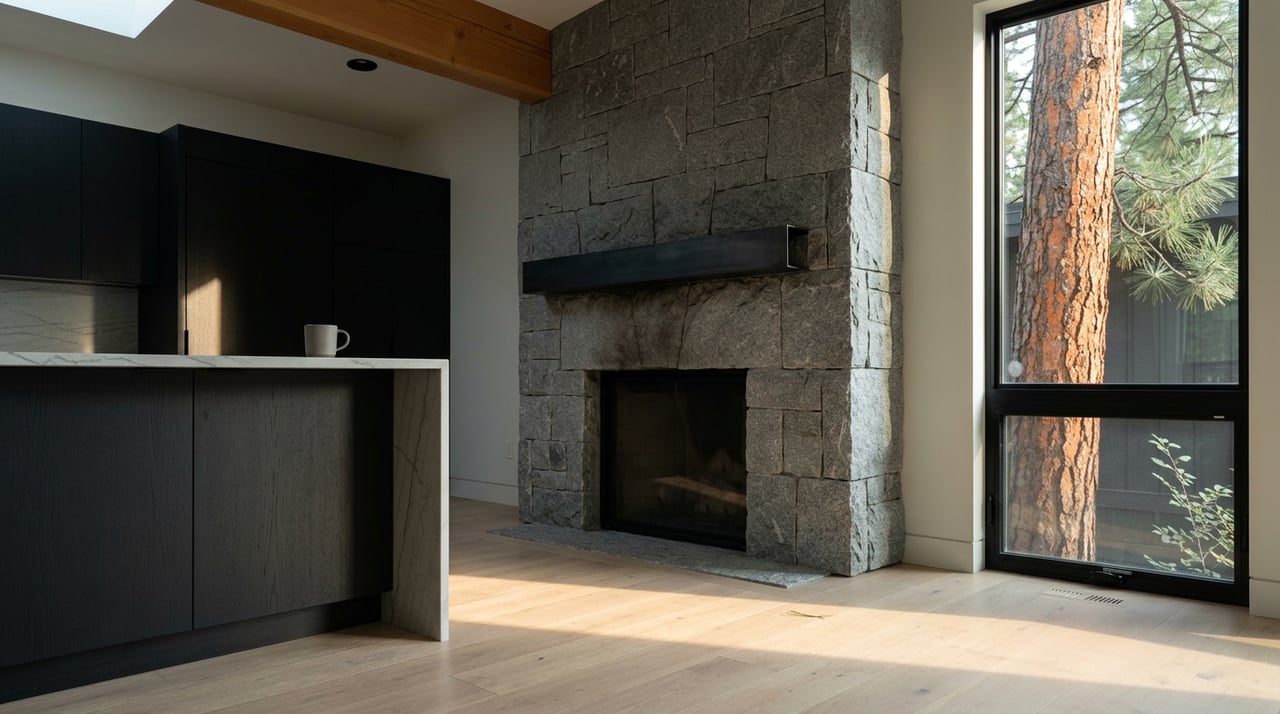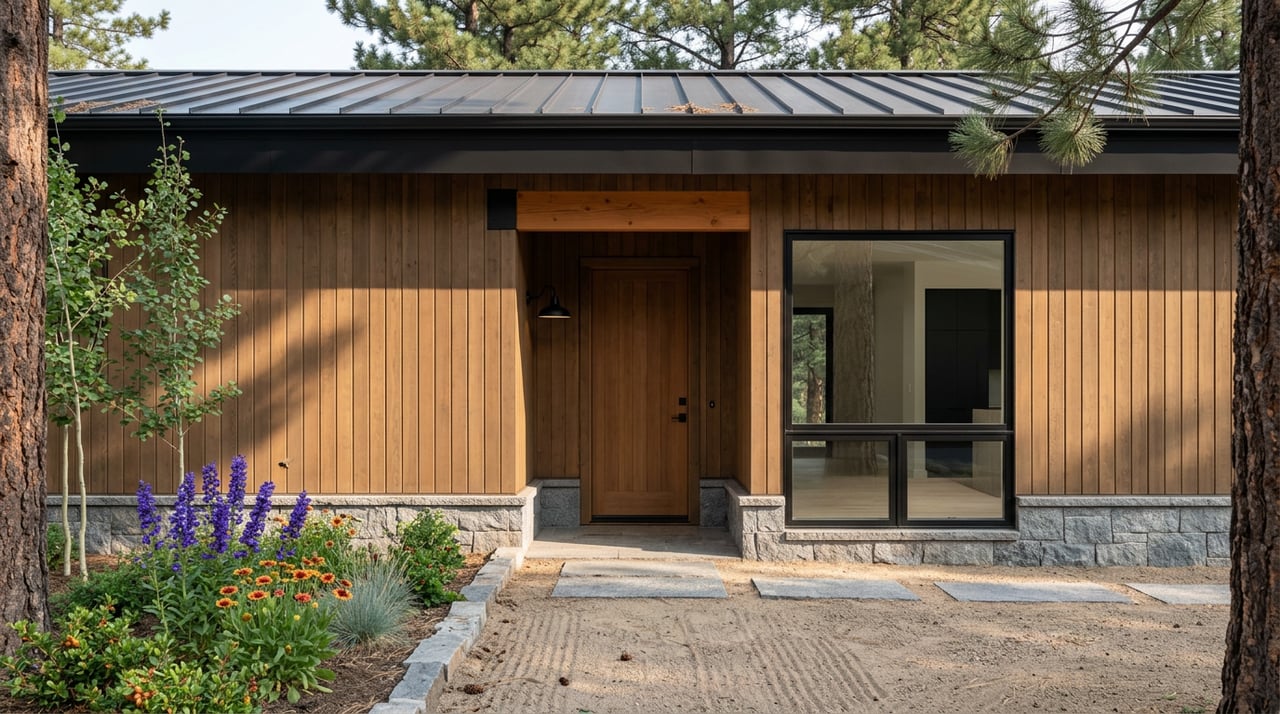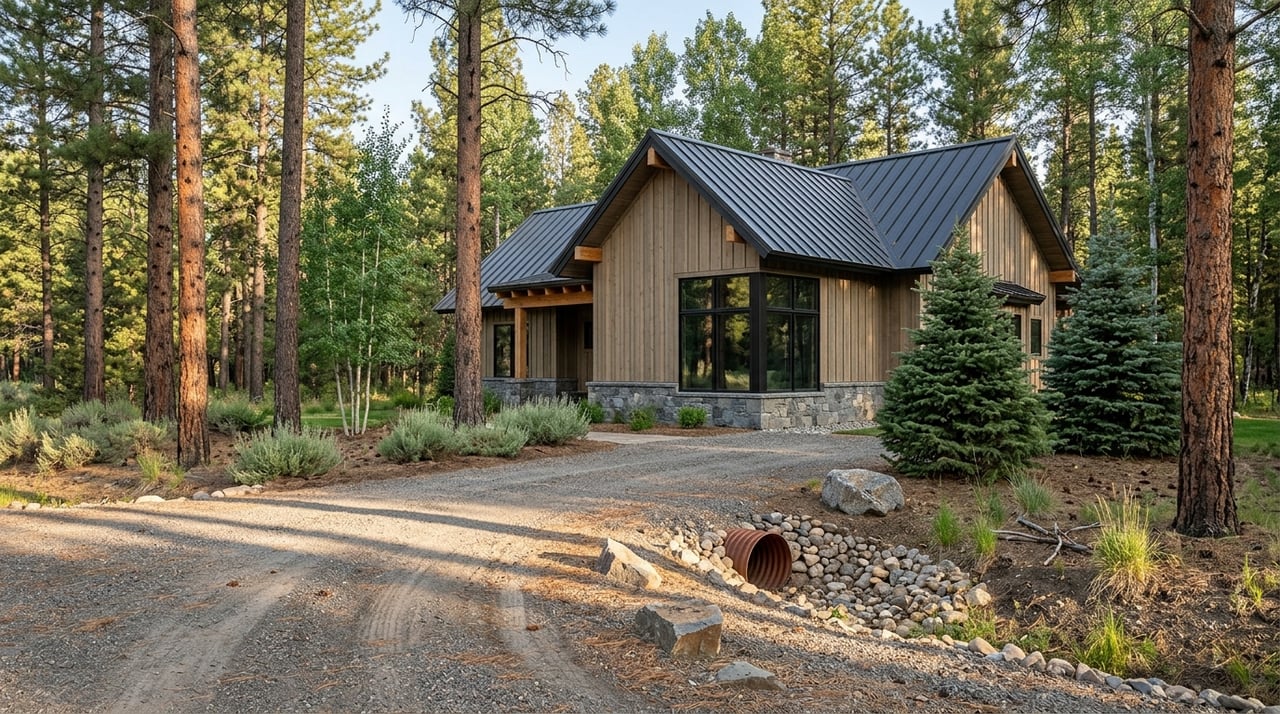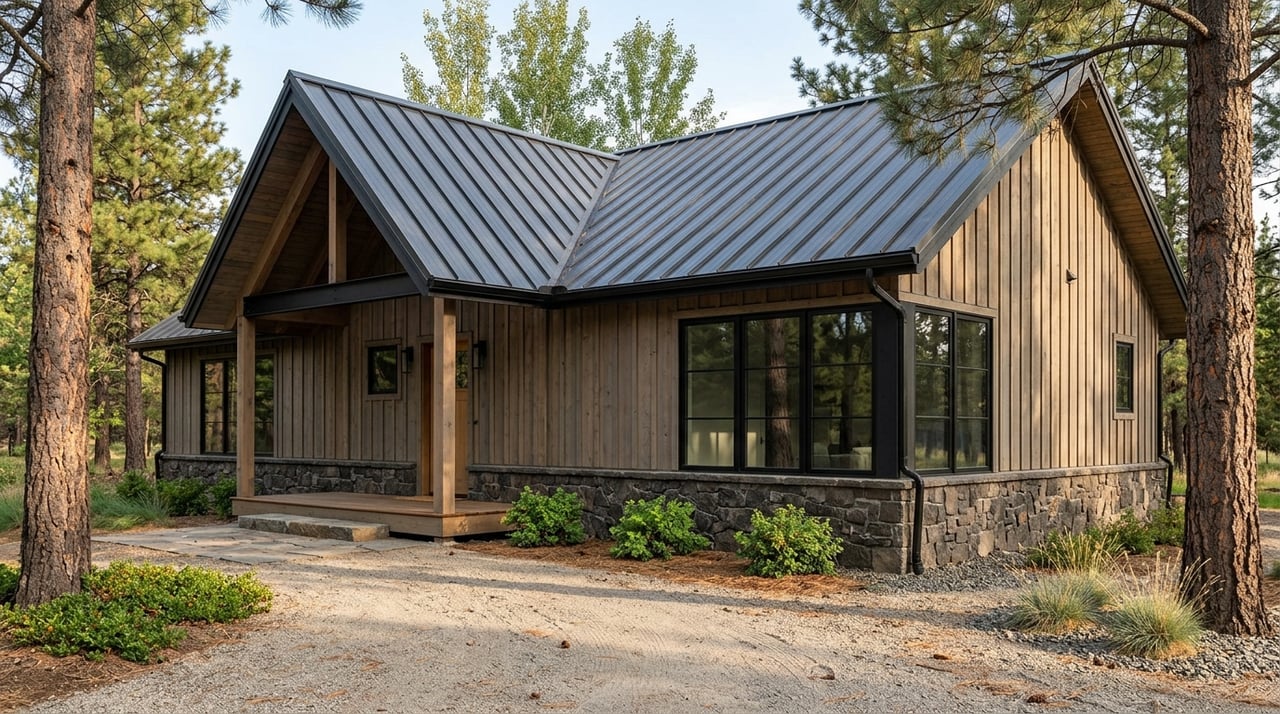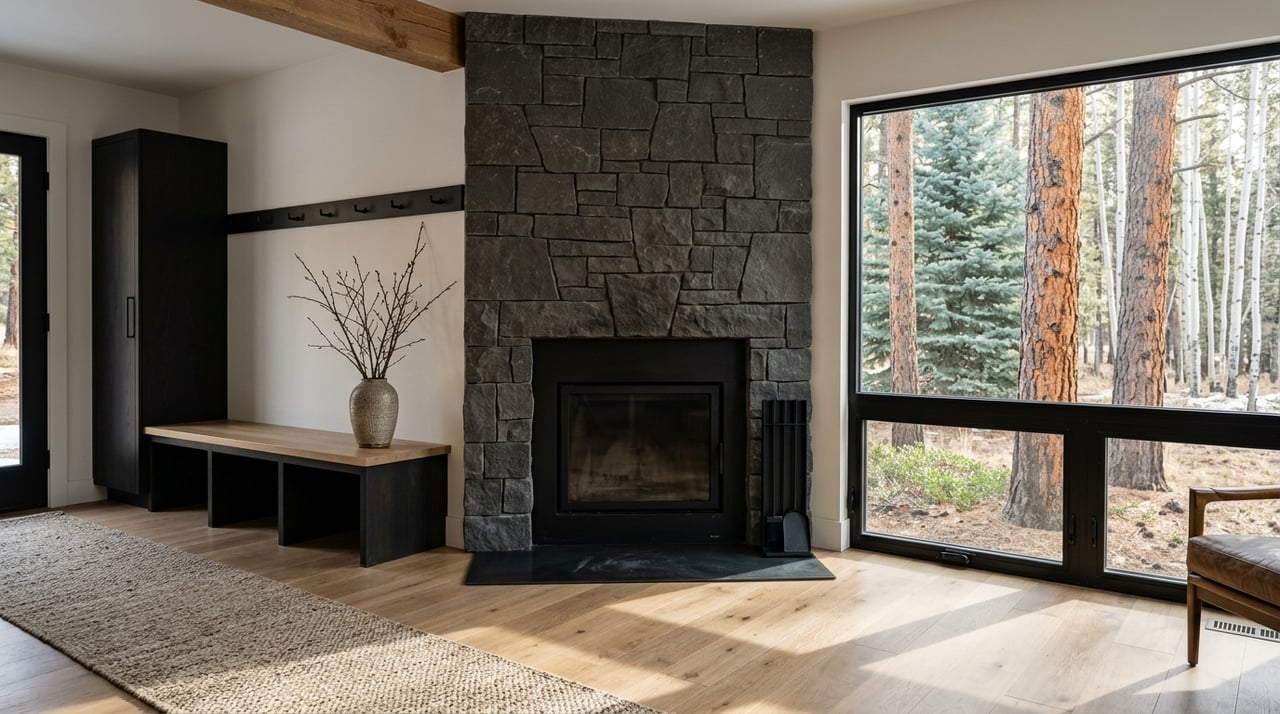
Dreaming about a mountain cabin where you can unplug on weekends, host family getaways, or spend more time in the pines? Divide often lands on buyers’ short lists for exactly those reasons. If you are thinking about buying a second home or cabin here, it helps to look past the views and focus on what day-to-day ownership really means. Let’s dive in.
Why Divide draws second-home buyers
Divide sits on Ute Pass about 25 miles west of Colorado Springs, which gives you a practical balance of access and escape. Teller County notes that the county begins about 20 miles west of Colorado Springs and is reached by US 24 West and CO 67 North. That makes Divide appealing if you want a mountain setting without feeling completely removed.
The setting is a big part of the lifestyle. Colorado’s tourism site describes Divide as a community of rustic cabins, ranches, and mountain homes, with nearby recreation that includes Mueller State Park and Florissant Fossil Beds. For many buyers, that combination supports the idea of a true weekend retreat instead of a more suburban second property.
Mueller State Park is especially important if outdoor access is part of your plan. According to Colorado.com, the park offers 55 miles of trails along with hiking, biking, horseback riding, cross-country skiing, snowshoeing, and camping. If your vision of a second home includes stepping outside for year-round recreation, Divide checks that box.
Another factor is the area’s lodging profile. Colorado.com says lodging in Divide itself is limited to campgrounds, a bed and breakfast, and several cabin rentals. While that is not a zoning conclusion, it does help explain why Divide often fits buyers who want seasonal use, vacation time, or a mountain getaway feel.
What to know before you buy
Buying a second home in Divide is not just about finding a pretty cabin. Mountain ownership comes with practical questions that can affect convenience, safety, and long-term cost. The right property for you depends on how you plan to use it.
If you want a simple weekend retreat, your priorities may center on access, utilities, and manageable maintenance. If you hope to use the property for longer seasonal stays, broadband, driveway conditions, and snow removal may move higher on the list. If rental income is part of the goal, you also need to verify local rules before making any assumptions.
This is where parcel-level due diligence matters. In Divide, two cabins with similar photos and similar price points can offer very different ownership experiences once you look at road type, well and septic status, zoning, and wildfire exposure.
Access and winter roads matter
One of the biggest realities of mountain ownership is road access. Teller County’s road maintenance plan says the county road system includes about 560 miles of roads, with 484 miles of gravel surfaces, mostly in subdivisions. The county also identifies some roads that receive only emergency access and maintenance until upgrades are made.
That matters because not every route will feel the same in winter or during wet conditions. A home that seems easy to reach in summer may feel very different during snow season. Before you buy, you should understand whether the property is on a county-maintained road, near gravel surfaces, or affected by more limited maintenance conditions.
Teller County’s snow removal policy adds more context. The county says it does not have a bare-pavement policy, prioritizes arterial roads and school-bus routes, and generally focuses first on getting county roads open after storms. It also does not clear private driveways or private roads.
For a second-home owner, that can shape everything from arrival timing to winter preparedness. If you plan to come up on weekends after a storm, you will want a clear picture of how the road system and the driveway function in real conditions. Convenience in a mountain market often starts with access.
Driveways can change the ownership experience
In Divide, the driveway is not a small detail. Teller County says homeowners are responsible for driveways, culverts, and parking areas, and a driveway access permit is required before a building permit is issued. That makes the driveway an important part of both current use and future plans.
A steep or narrow driveway may be manageable for some buyers, but stressful for others, especially in snow. You should think about grade, turn space, snow storage, and how easy it is to reach the home from the public road. These are practical issues that affect whether your cabin feels relaxing or difficult to use.
If you are considering improvements or a future addition, driveway access can also be part of the bigger picture. It is smart to ask these questions early rather than after closing.
Verify utilities at the property level
Mountain properties often rely on systems that differ from what you may be used to in more urban areas. In Divide, you should verify whether a property uses a private well, an onsite wastewater treatment system, or both. These are not details to gloss over when buying a second home.
Colorado’s Division of Water Resources issues well permits. For wastewater systems with flows of 2,000 gallons per day or less, CDPHE says permitting happens locally through counties, and Teller County Environmental Health lists septic permits, maintenance, and file searches among its services. That means local records can play an important role in your review process.
If a cabin has a well and septic system, you should confirm status, history, and any available documentation. A second home can feel wonderfully private, but that privacy often comes with added responsibility for the systems that support daily living.
Broadband is not something to assume
If you plan to work remotely, stream media, or manage a second home from afar, internet service deserves a hard look. Teller County’s broadband plan says the goal is reliable and affordable service, but it also points buyers to the FCC National Broadband Map to check service at a specific address.
That parcel-by-parcel approach is important. In a mountain market, service can vary more than many buyers expect. If dependable connectivity matters to you, verify it before you write the property into your lifestyle plan.
Wildfire readiness is part of ownership
Owning a cabin in a forested setting can be rewarding, but it also comes with wildfire considerations. Teller County’s planning resources point to an updated Community Wildfire Protection Plan, and the county’s fire information page explains burn permits, warning levels, and fire-ban rules.
For buyers, this means wildfire readiness should be treated as normal due diligence. You should look at mitigation, defensible space, and how the property is positioned within its site. These are not fringe concerns in a mountain market. They are part of responsible ownership.
This also ties back to maintenance costs and long-term planning. A cabin with beautiful tree cover may still need thoughtful mitigation work to support safer use over time.
Confirm zoning and intended use
Teller County is a zoned county with land-use regulations, zoning maps, special-review uses, and variance processes. That matters if you are planning anything beyond simply using the home as it exists today. Additions, outbuildings, and certain uses may require more review than buyers expect.
You should confirm the parcel’s zoning and any limits tied to your plans before you assume the property can be used exactly as shown in the listing. This is especially important if you are buying with future changes in mind, such as expanding a cabin, adding storage, or exploring rental use.
Short-term rental plans need verification
If part of your second-home strategy includes occasional rental income, be careful not to treat that as automatic. Colorado law defines rentals of lodging units for less than 30 days as short-term rentals and allows counties to regulate them. Private contracts and HOA covenants may also affect what is allowed.
Teller County’s public short-term rental page says the county is publishing survey results and related materials for policy discussion and decision-making by the Board of County Commissioners. Draft materials discussed annual licensing and a local-contact requirement. In other words, rental assumptions should be checked at the time you buy, not based on outdated information or broad market talk.
If you plan to rent the home, taxes matter too. Colorado’s Department of Revenue says taxable rooms and accommodations are subject to sales tax, and county lodging taxes may also apply. Anyone offering taxable rooms or accommodations for rent must obtain a sales tax license and collect and remit the tax.
Budget for more than the purchase price
Price is only one part of the second-home equation. Research in April 2026 placed the average Divide home value at $496,418, while Redfin reported a Teller County median sale price of $495K last month, and the Colorado Association of Realtors’ March 2026 Teller County update put the year-to-date single-family median sales price at $524K. Together, those figures suggest many Divide cabin buyers should expect a starting budget around the half-million-dollar range, with variation based on acreage, access, and condition.
You should also plan for ongoing ownership costs. Teller County explains that property taxes fund schools, county government, fire districts, and other special districts. The county also notes that real property is revalued in odd-numbered years based on market conditions as of June 30 of the prior even year, and it lists 2025 residential assessment rates of 7.05% for school districts and 6.25% for local government taxing authorities.
For second-home buyers, that bigger budget picture matters. Road conditions, private systems, mitigation needs, and tax obligations can all influence the true cost of ownership.
A smart Divide buying checklist
Before you move forward on a cabin or second home in Divide, make sure you verify the details that shape real-world use.
- Road type and maintenance level
- Winter access and driveway conditions
- Public-road access and driveway responsibilities
- Well permit status, if applicable
- Septic or onsite wastewater records, if applicable
- Broadband availability at the exact address
- Zoning and land-use fit for your plans
- HOA or private covenant restrictions, if any
- Current short-term rental rules, if relevant
- Wildfire mitigation and defensible space considerations
Why local guidance matters here
In Divide, the listing photos rarely tell the full story. The real difference between a great fit and a frustrating purchase often comes down to parcel-level details like snow exposure, road class, broadband, zoning, and utility setup. That is why local guidance can be so valuable when you are buying a second home from nearby or from out of area.
The Case Advantage brings the kind of Teller County knowledge that helps you ask better questions before you commit. If you are exploring cabins, acreage, or mountain homes in Divide, you can The Case Advantage to schedule a consultation and get clear, practical guidance tailored to your goals.
FAQs
What makes Divide appealing for a second home or cabin?
- Divide offers a mountain setting about 25 miles west of Colorado Springs, with access to recreation like Mueller State Park and Florissant Fossil Beds, making it attractive for weekend and seasonal use.
What should buyers check about road access in Divide?
- Buyers should verify the road type, maintenance level, winter access conditions, and whether the property depends on a private driveway or road that will not be cleared by the county.
Do Divide cabins often have wells and septic systems?
- Some mountain properties use private wells and onsite wastewater treatment systems, so you should confirm permits, records, and maintenance details during due diligence.
Can you use a second home in Divide as a short-term rental?
- Possibly, but you need to verify current Teller County rules, along with any HOA or private covenant restrictions, before assuming short-term rental use is allowed.
What is a realistic budget for buying a cabin in Divide?
- Recent market data suggests many buyers should expect pricing around the half-million-dollar range, with actual value varying based on acreage, condition, access, and other property-specific factors.